
9 Nights 10 Days Lucknow Naimisharanya Ayodhya Chhapiya Prayagraj Varanasi Bodhgaya Tour Package — Lucknow Tour Package Overview
Package Highlights
VisitKashi
Your trusted travel partner · 24×7 support
Tour Highlights — Key Experiences in This Package
Day-by-Day Itinerary — 9 Nights 10 Days Lucknow Naimisharanya Ayodhya Chhapiya Prayagraj Varanasi Bodhgaya Tour Package
9 Nights / 10 Days · Lucknow · Timings adjustable to your arrival
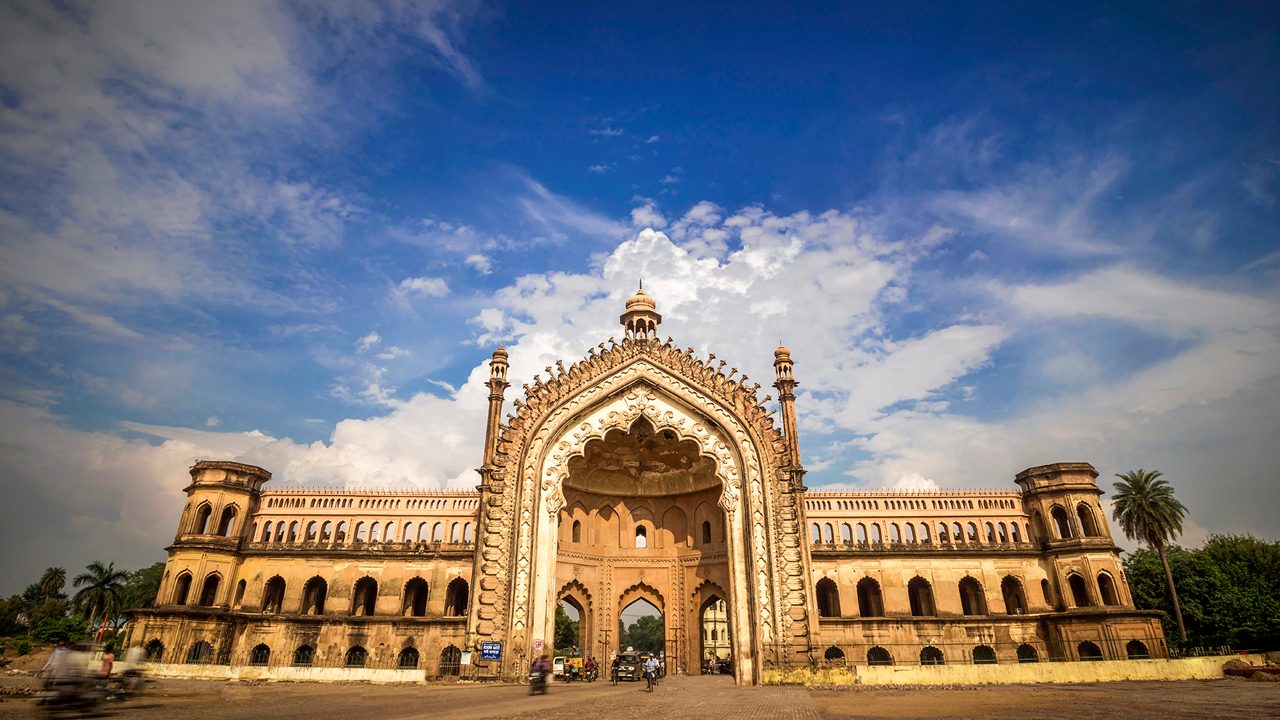
Arrival in Lucknow — Bara Imambara, Bhulbhulaiya, Rumi Darwaza & Hazratganj
Lucknow — Chhota Imambara, British Residency, Hussainabad & Awadhi Food Trail
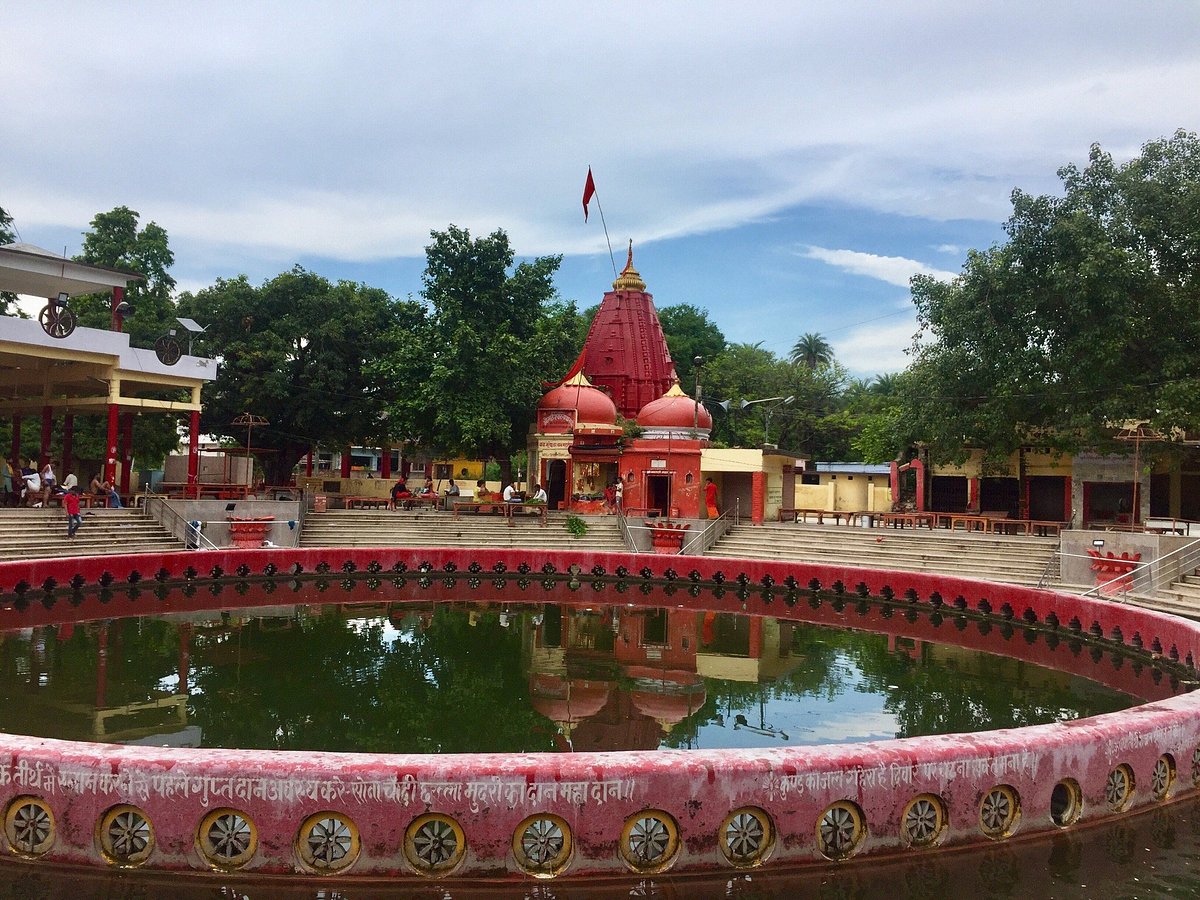
Lucknow to Naimisharanya — Chakra Kund, Lalita Devi Shakti Peetha & Gomti Aarti
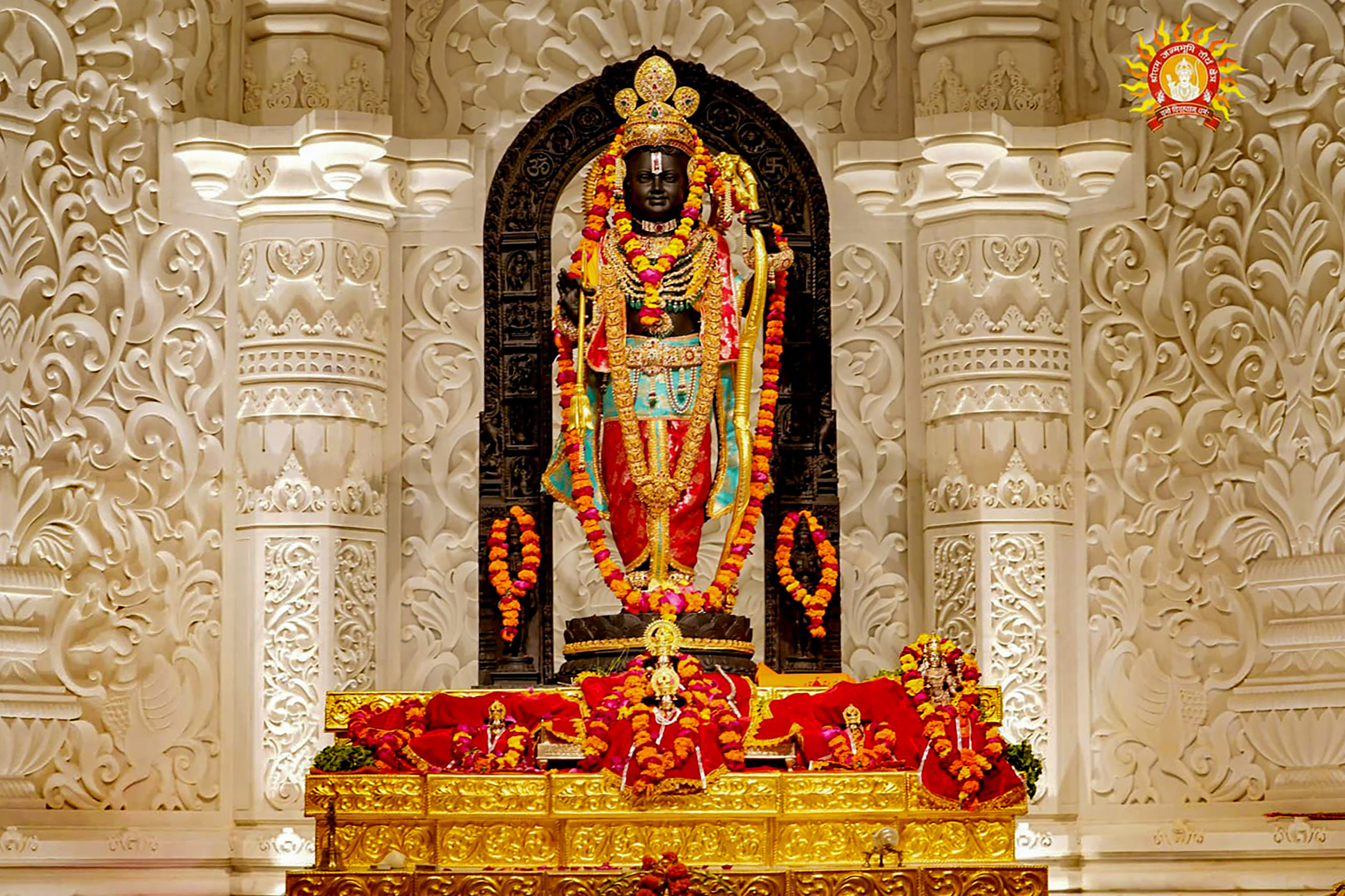
Naimisharanya to Ayodhya — Ram Mandir, Hanumangarhi & Saryu Aarti
Ayodhya to Chhapiya — Swaminarayan Janmabhoomi & Drive to Prayagraj
Prayagraj — Triveni Sangam Holy Dip, Akbar's Fort, Patalpuri Temple & Anand Bhavan
Prayagraj to Varanasi — Kashi Vishwanath Corridor, Ganga Ghats & Ganga Aarti
Varanasi — Dawn Boat Ride, Sarnath & Ancient Kashi Temples
Varanasi to Bodhgaya — Mahabodhi Temple, Bodhi Tree & International Buddhist Monasteries
Bodhgaya — Dungeshwari Caves, Rajgir & Nalanda, then Departure
What's Included & What's Not Included
Inclusions
- 9 nights accommodation — 2 nights Lucknow, 1 night Naimisharanya (pilgrim guesthouse), 1 night Ayodhya, 1 night Prayagraj, 2 nights Varanasi, 2 nights Bodhgaya
- Daily breakfast and dinner as per itinerary (10 Breakfasts + 9 Dinners)
- Private AC vehicle for all intercity transfers and local sightseeing throughout
- Dedicated English/Hindi-speaking pilgrimage guide for all 10 days
- Lucknow: Bara Imambara and Bhulbhulaiya guided tour (entry fees included)
- Naimisharanya: Chakra Kund, Lalita Devi Temple, and Gomti aarti visits
- Ayodhya: Ram Mandir, Hanumangarhi, Kanak Bhawan, Saryu Snan, and Saryu Aarti
- Chhapiya: Swaminarayan Janmabhoomi Temple visit (en route Day 5)
- Prayagraj: Triveni Sangam boat ride and holy dip (boat charges included)
- Varanasi: Kashi Vishwanath Corridor darshan, Ganga Aarti, dawn boat ride, and Sarnath
- Bodhgaya: Mahabodhi Temple, Bodhi Tree, Dungeshwari Caves, Rajgir, and Nalanda visits
- Arrival pick-up from Lucknow Airport or Railway Station
- Departure drop to Gaya Airport or Gaya Junction Railway Station
- All toll taxes, driver allowance, parking, and fuel charges
- 24/7 on-call support during the tour
Exclusions
- Train or flight tickets to Lucknow (start) and from Gaya/Bodhgaya (end)
- Lunches and beverages not listed in the itinerary
- Kashi Vishwanath special puja or Rudrabhishek (on request, at extra cost)
- British Residency ASI entry ticket (approx. ₹25 for Indians)
- Sarnath Museum and Nalanda Museum entry fees (approx. ₹20–₹25 each)
- Rajgir ropeway charges (approx. ₹100 per person)
- Shopping at Aminabad, Varanasi silk market, or Bodhgaya boutiques
- Personal expenses — laundry, beverages, phone calls
- Travel insurance (strongly recommended for 10-day multi-state journey)
- Medical or emergency expenses
- Tips for guide and driver (appreciated)
- Any services not explicitly listed under inclusions
Good to Know
Tour starts in Lucknow (Airport / Charbagh Railway Station) and ends in Bodhgaya/Gaya (Gaya Junction Railway Station or Gaya Airport, 7 km from Bodhgaya). Both are included.
Carry government-issued photo ID — required at Kashi Vishwanath Temple (Aadhaar mandatory) and British Residency (ASI monument).
Dress code: modest clothing covering shoulders and knees required at all temples. Remove footwear at all shrines. At the Mahabodhi Temple, footwear must be removed at the entrance gate.
Naimisharanya: accommodation is simple pilgrim/dharamshala standard, strictly vegetarian meals. Guests preferring comfort may opt for hotel in Sitapur (20 km) — inform at booking.
Kashi Vishwanath Temple: cameras and phones must be deposited at the cloak room before entry.
Mahabodhi Temple: no photography inside the inner sanctum. Circumambulation (parikrama) around the temple is the most spiritually recommended practice.
Rajgir ropeway: small cable car to Vishwa Shanti Stupa on Ratnagiri Hill — highly recommended for the panoramic views. Not included in the package price (approx. ₹100/person).
Buddha Purnima (May/June) and Kalachakra teachings (usually December/January): extremely crowded periods — book accommodation 3–4 months in advance.
For guests extending to Vaishali, Patna (Patna Sahib Gurdwara) or Kushinagar after Bodhgaya, ask about further extension packages.
Frequently Asked Questions — 9 Nights 10 Days Lucknow Naimisharanya Ayodhya Chhapiya Prayagraj Varanasi Bodhgaya Tour Package
Why is Bodhgaya the holiest site in Buddhism and what makes it special?
▼Bodhgaya is where Prince Siddhartha Gautama, after years of seeking, sat in deep meditation under a Pipal tree (now known as the Bodhi Tree) and attained complete Enlightenment, becoming Gautama Buddha — approximately 528 BCE. The Mahabodhi Temple (UNESCO World Heritage Site) marks this spot, and the Vajrasana (Diamond Throne) marks the exact seat of Enlightenment. The sacred Bodhi Tree is a direct descendant of the original tree, propagated from a cutting sent to Sri Lanka by Emperor Ashoka's daughter Sanghamitta in the 3rd century BCE. For 1.5 billion Buddhists worldwide, Bodhgaya is the most sacred place on earth. The concentration of 25+ monasteries from Thailand, Japan, Tibet, Bhutan, China, Korea, Vietnam, and Sri Lanka makes Bodhgaya a unique international Buddhist cultural destination accessible to all visitors.
What is the ancient Nalanda University and why should it be on every traveller's itinerary?
▼Nalanda University (established circa 5th century CE, destroyed 1193 CE) was the greatest university in the ancient world for nearly 700 years. At its peak it had 10,000 students and 2,000 faculty from across India, China, Korea, Japan, Tibet, Mongolia, Persia, and Turkey. It had a nine-story library (Dharmaganj) containing an estimated 9 million manuscripts. Courses spanned Buddhist philosophy, Vedic studies, medicine, astronomy, mathematics, grammar, and logic. Chinese pilgrims Xuanzang and Yijing left detailed accounts. The ruins (UNESCO World Heritage Site, 2016) include excavated monasteries, temples, and lecture halls stretching across 14 hectares. The Nalanda Archaeological Museum has an excellent collection of sculptures. The new Nalanda International University (established 2014) is adjacent.
What is Dungeshwari (Mahakala) Cave and its connection to the Buddha?
▼Dungeshwari Caves (also called Mahakala Caves or Pragbodhi Hill) are located 10 km northeast of Bodhgaya. Prince Siddhartha spent 6 years here practicing extreme asceticism — fasting to near-death, meditating alone — before realizing this path would not lead to Enlightenment. It was here that Sujata, a village girl, offered him rice pudding (Kheer), which he accepted, ending his extreme fasting. This acceptance of the Middle Way was a pivotal spiritual turning point. Sujata's Temple (on the banks of the Niranjana River at Bakraur village) marks the spot of this offering. The caves are sacred to both Hindus (as a Durga shrine) and Buddhists. The 10-km drive from Bodhgaya passes through beautiful Bihar countryside.
How is this 9N10D package different from the 7N8D and 8N9D Lucknow packages?
▼The 7N8D package covers Lucknow + Naimisharanya + Ayodhya + Chhapiya + Prayagraj + Varanasi (1N Varanasi). The 8N9D package extends Varanasi to 2 nights, adding Sarnath and more Kashi exploration. The 9N10D package adds Bodhgaya (2 nights) to the 7N8D itinerary — giving you the complete Hindu-Buddhist pilgrimage axis: Ram Mandir in Ayodhya + Kashi Vishwanath in Varanasi + Mahabodhi Temple in Bodhgaya. This is the most comprehensive North-East India pilgrimage circuit, especially meaningful for guests wishing to cover both the Hindu Sapta Puri and the Buddhist Astamahasthan in one journey.
What is the best time to visit Bodhgaya?
▼October to March is ideal for Bodhgaya — pleasant weather (10–25°C), comfortable for outdoor sightseeing and meditation. Key events: Buddha Purnima (May/June) — the most sacred day, when the Buddha's birth, Enlightenment, and passing are commemorated simultaneously; the Mahabodhi Temple and the entire town are festooned with lights and thousands of monks from across Asia attend; Losar (Tibetan New Year, January/February) — the Tibetan monastery and the Dalai Lama (when present) host major celebrations. December–January: the Dalai Lama often gives Kalachakra teachings at Bodhgaya, drawing tens of thousands of devotees. Avoid May–July (extreme heat, 40–44°C, and monsoon). Book 8–10 weeks in advance for Buddha Purnima and Kalachakra periods.
Does this package cover only Hindu pilgrimages or is it relevant for Buddhist pilgrims too?
▼This is a comprehensive multi-tradition pilgrimage package. The first 8 days (Lucknow → Varanasi) cover primarily Hindu pilgrimage sites — Naimisharanya, Ayodhya (Ram Mandir), Chhapiya (Swaminarayan), Prayagraj Sangam, and Kashi Vishwanath. Days 9–10 at Bodhgaya + Sarnath + Rajgir + Nalanda are specifically Buddhist pilgrimage sites. However, Sarnath (included Day 8 from Varanasi) is also the site of Varanasi, which is sacred to both Hindus and Buddhists. This combined pilgrimage is particularly popular with: (1) Hindu pilgrims completing the Buddhist circuit; (2) Buddhist pilgrims who also want to experience the great Hindu shrines; (3) Non-religious heritage and cultural travellers interested in both traditions. All sites are open to visitors of all faiths.
Ready to Explore Lucknow?
Customized itineraries · Best price guarantee · 24×7 support