
10 Nights 11 Days Lucknow Naimisharanya Ayodhya Chhapiya Prayagraj Chitrakoot Varanasi Bodhgaya Tour Package — Lucknow Tour Package Overview
Package Highlights
VisitKashi
Your trusted travel partner · 24×7 support
Tour Highlights — Key Experiences in This Package
Day-by-Day Itinerary — 10 Nights 11 Days Lucknow Naimisharanya Ayodhya Chhapiya Prayagraj Chitrakoot Varanasi Bodhgaya Tour Package
10 Nights / 11 Days · Lucknow · Timings adjustable to your arrival
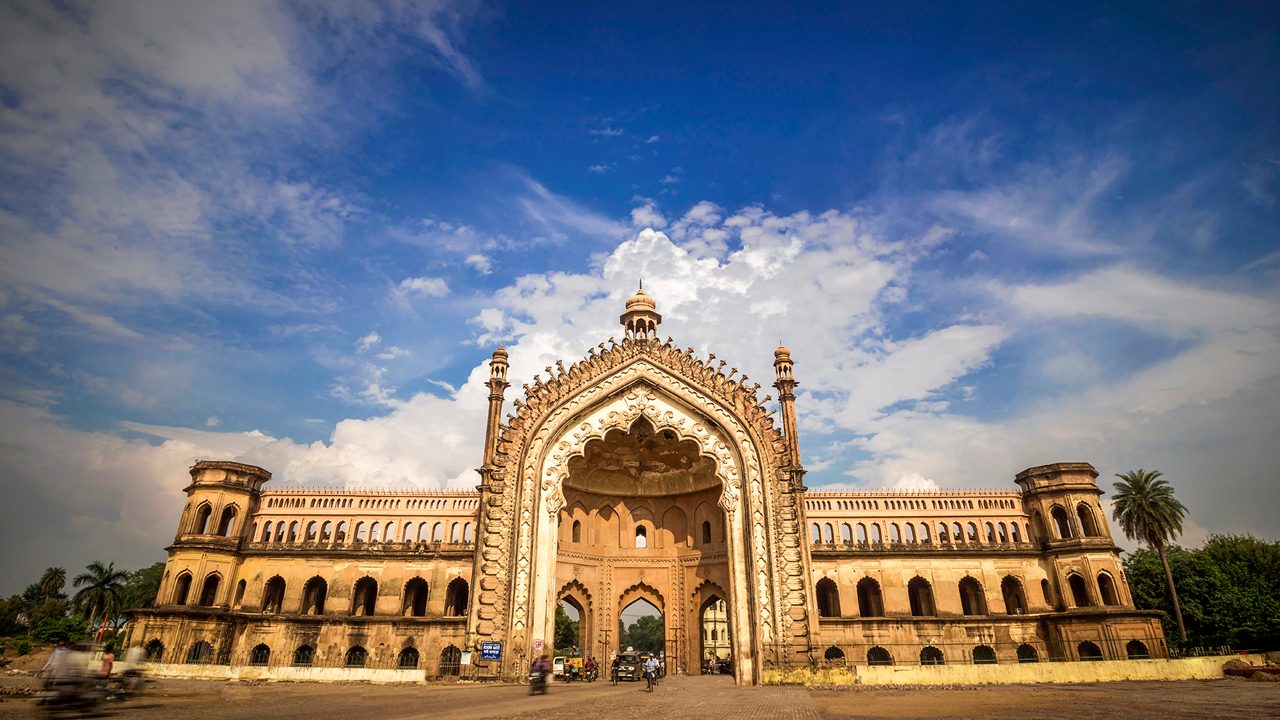
Arrival in Lucknow — Bara Imambara, Bhulbhulaiya, Rumi Darwaza & Hazratganj
Lucknow — Chhota Imambara, British Residency, Hussainabad & Awadhi Food Trail
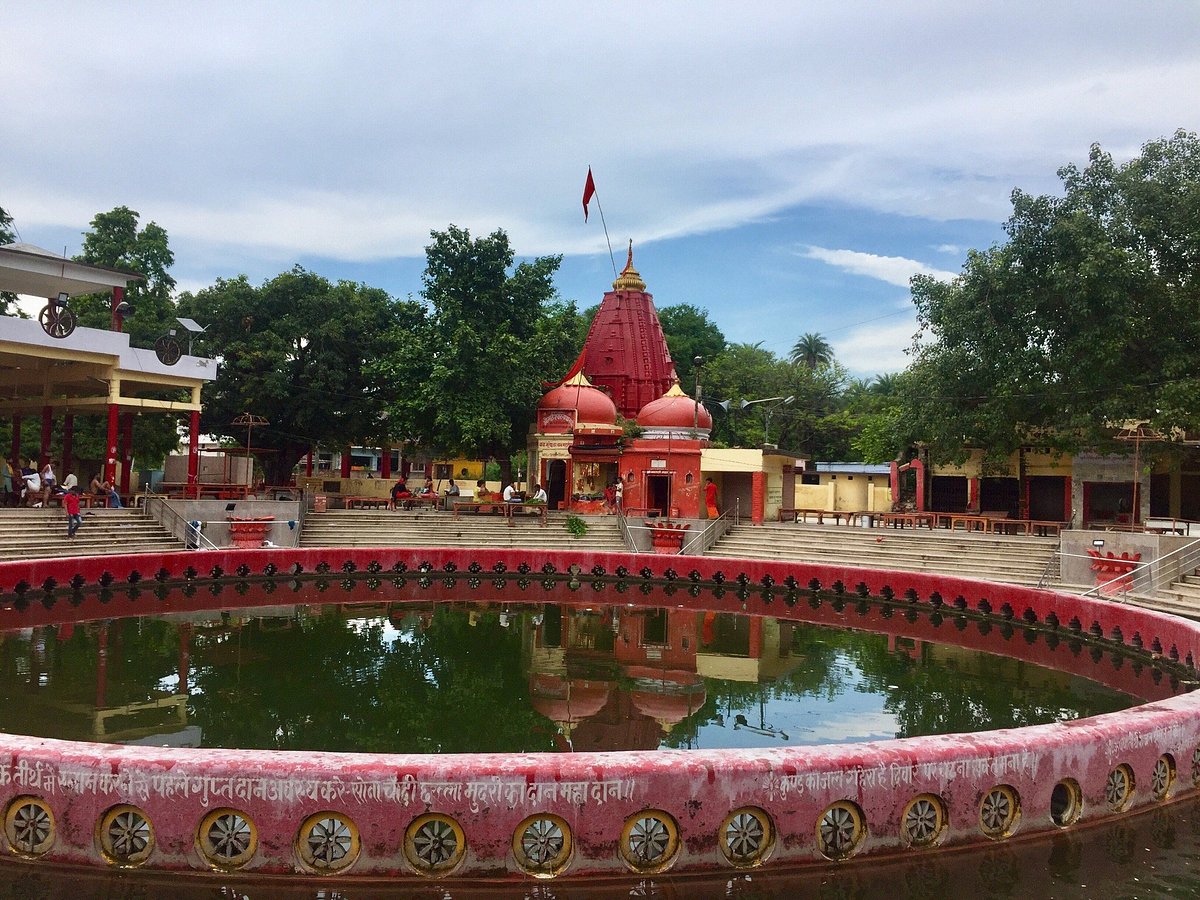
Lucknow to Naimisharanya — Chakra Kund, Lalita Devi Shakti Peetha & Gomti Rituals
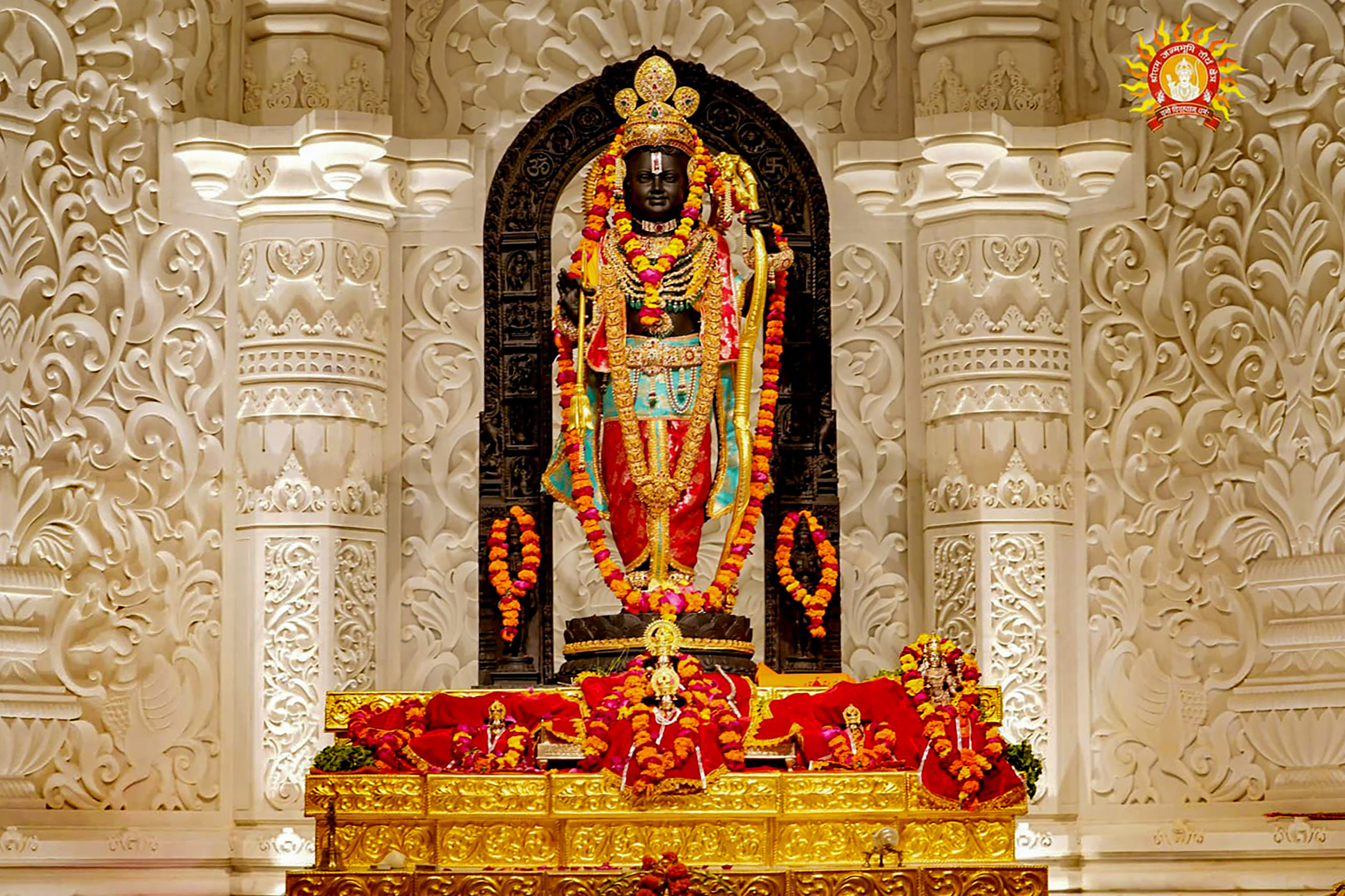
Naimisharanya to Ayodhya — Ram Mandir, Hanumangarhi, Kanak Bhawan & Saryu Aarti
Ayodhya to Chhapiya — Swaminarayan Janmabhoomi & Drive to Prayagraj
Prayagraj — Triveni Sangam Holy Dip, Akbar's Fort, Patalpuri Temple & Anand Bhavan
Prayagraj to Chitrakoot — Kamadgiri Parikrama, Ramghat & Gupt Godavari
Chitrakoot — Hanuman Dhara, Sati Anusuya Ashram, Sati Anusuya Mandir & Departure for Varanasi
Varanasi — Kashi Vishwanath Corridor, Ganga Ghats & Ganga Aarti
Varanasi — Dawn Boat Ride, Sarnath & Drive to Bodhgaya
Bodhgaya — Mahabodhi Temple, Bodhi Tree, Rajgir, Nalanda & Departure
What's Included & What's Not Included
Inclusions
- 10 nights accommodation — 2 nights Lucknow, 1 night Naimisharanya (pilgrim guesthouse), 1 night Ayodhya, 1 night Prayagraj, 1 night Chitrakoot, 2 nights Varanasi, 2 nights Bodhgaya
- Daily breakfast and dinner as per itinerary (11 Breakfasts + 10 Dinners)
- Private AC vehicle for all intercity transfers and local sightseeing throughout
- Dedicated English/Hindi-speaking pilgrimage guide for all 11 days
- Lucknow: Bara Imambara and Bhulbhulaiya guided tour (entry fees included)
- Naimisharanya: Chakra Kund, Lalita Devi Temple, and Gomti aarti visits
- Ayodhya: Ram Mandir, Hanumangarhi, Kanak Bhawan, Saryu Snan, and Saryu Aarti
- Chhapiya: Swaminarayan Janmabhoomi Temple visit (en route Day 5)
- Prayagraj: Triveni Sangam boat ride and holy dip (boat charges included)
- Chitrakoot: Kamadgiri Parikrama, Ramghat, Gupt Godavari, Hanuman Dhara, and Sati Anusuya Ashram
- Varanasi: Kashi Vishwanath Corridor darshan, Ganga Aarti, dawn boat ride, and Sarnath
- Bodhgaya: Mahabodhi Temple, Bodhi Tree, Dungeshwari Caves, Sujata Temple, Rajgir, and Nalanda
- Arrival pick-up from Lucknow Airport or Railway Station
- Departure drop to Gaya Airport or Gaya Junction Railway Station
- All toll taxes, driver allowance, parking, and fuel charges
- 24/7 on-call support during the tour
Exclusions
- Train or flight tickets to Lucknow (start) and from Gaya/Bodhgaya (end)
- Lunches and beverages not listed in the itinerary
- Kashi Vishwanath special puja or Rudrabhishek arrangements
- British Residency ASI entry ticket (approx. ₹25 for Indians)
- Sarnath Museum and Nalanda Museum entry fees (approx. ₹20–₹25 each)
- Hanuman Dhara ropeway charges at Chitrakoot (if applicable)
- Rajgir ropeway charges (approx. ₹100 per person)
- Chitrakoot Kamadgiri parikrama: footwear must be removed — no charges
- Shopping expenses — Aminabad Lucknow, Varanasi silk market
- Personal expenses — laundry, beverages, phone calls
- Travel insurance (strongly recommended for 11-day multi-state journey)
- Medical or emergency expenses
- Tips for guide and driver (appreciated)
- Any services not explicitly listed under inclusions
Good to Know
Tour starts in Lucknow (Airport / Charbagh Railway Station) and ends in Bodhgaya/Gaya (Gaya Junction Railway Station or Gaya Airport, 7 km from Bodhgaya). Both are included.
Carry government-issued photo ID — required at Kashi Vishwanath Temple (Aadhaar mandatory), British Residency, and all protected monuments.
Dress code: modest clothing covering shoulders and knees required at all temples. Remove footwear at all shrines. Kamadgiri Parikrama in Chitrakoot is performed barefoot.
Naimisharanya: accommodation is simple pilgrim/dharamshala standard, strictly vegetarian meals. Guests preferring comfort may opt for hotel in Sitapur (20 km).
Chitrakoot: accommodation is mid-range dharamshala/hotel standard. All food available at Chitrakoot is vegetarian (satvik).
Kashi Vishwanath Temple: cameras and phones must be deposited at the cloak room before entry.
Mahabodhi Temple Bodhgaya: shoes must be removed at the outer gate. The inner sanctum photography is restricted.
Sarnath Museum: one of India's most important museums. The Lion Capital of Ashoka (national emblem) is on display here — allow at least 45 minutes.
Rajgir ropeway charges to Vishwa Shanti Stupa are not included (approx. ₹100/person) — highly recommended.
For guests wishing to extend further to Vaishali, Kushinagar, or Patna after Bodhgaya, ask about extension packages.
Frequently Asked Questions — 10 Nights 11 Days Lucknow Naimisharanya Ayodhya Chhapiya Prayagraj Chitrakoot Varanasi Bodhgaya Tour Package
What is the Kamadgiri Parikrama and why is it considered the most sacred act in Chitrakoot?
▼Kamadgiri is the sacred hill at the heart of Chitrakoot, believed to be the embodiment of Lord Rama himself — the name means "the hill that fulfills all desires (kama)." The Kamadgiri Parikrama is the 5-km barefoot circumambulation of this hill along a path lined with ancient temples and trees. The Valmiki Ramayana, Ramcharitmanas (Tulsidas), and various Puranas state that the parikrama of Kamadgiri grants the equivalent merit of one Kumbh Mela. Goswami Tulsidas himself spent many years at Chitrakoot composing parts of the Ramcharitmanas. Pilgrims perform the parikrama early in the morning, ideally barefoot on the stone-paved path. Even those unable to walk the full circuit can perform a seated darshan of the Kamadnath temple at the summit.
What makes Chitrakoot different from Ayodhya for Ramayana pilgrims?
▼Ayodhya is the city of Ram's birth and early life (before exile) — the urban, royal chapter. Chitrakoot is the forest of Ram's exile — the wild, ascetic, spiritually intense chapter of the Ramayana. Ram spent only a brief time at most destinations in the Ramayana, but at Chitrakoot he spent 11.5 of his 14 years of exile. The Mandakini River (the forest Ganga), the dense hills, the ancient ashrams, and the untouched forest environment create an atmosphere that Ayodhya, with its urban development, cannot. For devotees who want to experience the Ramayana in its most intimate, forest-hermitage form — Chitrakoot is unparalleled. Visiting both Ayodhya and Chitrakoot in the same pilgrimage gives the complete Ram-katha experience.
How many days are needed at Chitrakoot?
▼One night and two days (as in this itinerary) covers the essential Chitrakoot circuit: Kamadgiri Parikrama, Ramghat (aarti), Gupt Godavari, Hanuman Dhara, and Sati Anusuya Ashram. Devoted pilgrims who want to deepen the experience could stay 2 nights: adding Sphatik Shila, Janaki Kund, Bharat Milap Temple, Laxman Pahadi, the ghats along the Mandakini, and multiple morning and evening aartis at Ramghat. We offer a 12N13D extension upon request.
Is the Ganga Aarti at Varanasi different from the Saryu Aarti at Ayodhya?
▼Both are evening fire ceremonies on sacred riverbanks, but they are very different in scale and character. The Varanasi Ganga Aarti at Dashashwamedh Ghat is a large, highly choreographed ceremony performed by 7 priests simultaneously with massive brass lamps and 51 flames per lamp, in a setting with thousands of observers. The Saryu Aarti at Ram ki Paidi in Ayodhya is more intimate and devotional — a smaller ceremony that has grown significantly since Ram Mandir's consecration. Both are deeply moving but for different reasons: Varanasi for its scale and theatricality, Ayodhya for its Ram-bhakti intimacy. If you can witness only one, Varanasi's Ganga Aarti from a boat on the river is the more visually spectacular experience.
What is the significance of Nalanda University for a spiritual traveller?
▼Nalanda was not just a university — it was the intellectual and spiritual centre of the ancient world for nearly 700 years (5th–12th century CE). At its peak, 10,000 students studied Buddhist philosophy, Vedic scriptures, medicine, astronomy, grammar, and logic alongside scholars from China, Korea, Japan, Tibet, Mongolia, Persia, and Turkey. The library (Dharmaganj) had three 9-storey buildings housing an estimated 9 million manuscripts. Chinese pilgrims Xuanzang (7th century) and Yijing left detailed accounts. The ruins (UNESCO World Heritage Site, 2016) include excavated monasteries, temples, and courtyards covering 14 hectares. The scale of intellectual life here — and its violent destruction by Bakhtiyar Khilji in 1193 CE — makes Nalanda one of the most poignant heritage sites in all of Asia.
Can this 10N11D package be customized for a larger group or specific festival dates?
▼Yes — this package can be customized for groups of any size. Key festival dates when special arrangements are needed: Ram Navami in Ayodhya and Chhapiya (March/April) — the most crowded day, book 6–8 weeks in advance; Makar Sankranti at Prayagraj Sangam (January 14) and Maha Kumbh Mela years; Dev Deepawali at Varanasi (Kartik Purnima, November) — 1 million lamps on the Ganga ghats; Buddha Purnima at Bodhgaya (May/June). For groups of 10+, we can arrange special darshan facilitation, private boat, and luxury hotel upgrades. Contact us with your group size and preferred dates for a customized quote.
Ready to Explore Lucknow?
Customized itineraries · Best price guarantee · 24×7 support