

10 Nights 11 Days Chitrakoot Prayagraj Varanasi Ayodhya Bodhgaya Tour Package — Chitrakoot Tour Package Overview
Package Highlights
VisitKashi
Your trusted travel partner · 24×7 support
Tour Highlights — Key Experiences in This Package
Day-by-Day Itinerary — 10 Nights 11 Days Chitrakoot Prayagraj Varanasi Ayodhya Bodhgaya Tour Package
10 Nights / 11 Days · Chitrakoot · Timings adjustable to your arrival
Arrival in Chitrakoot — Kamadgiri Parikrama & Ram Ghat Evening Aarti
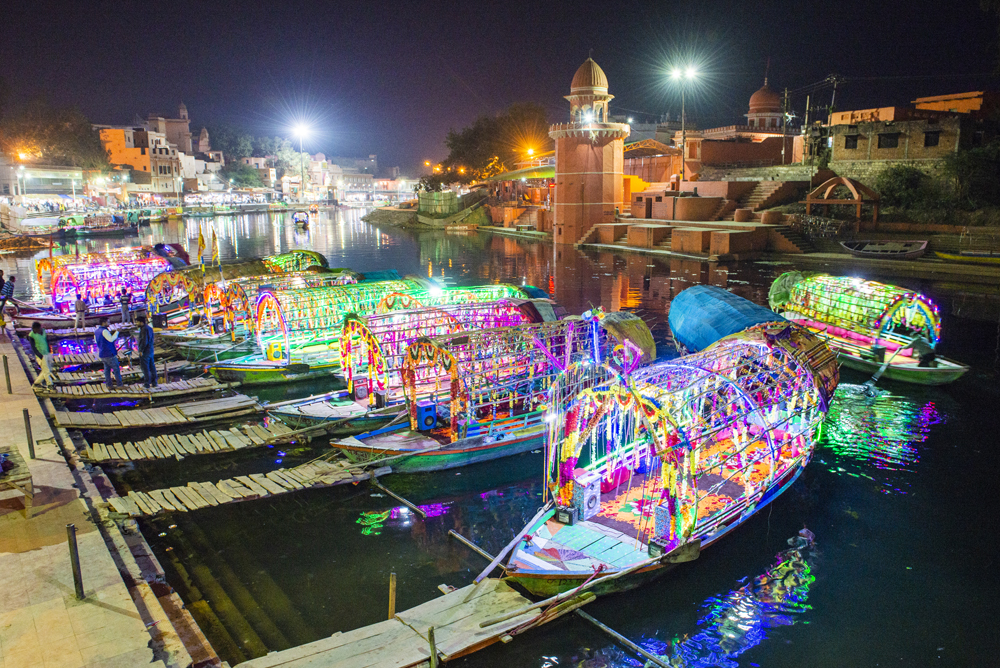
Chitrakoot Deep Darshan — Gupt Godavari, Hanuman Dhara, Sphatik Shila, Sati Anusuiya & Mandakini Sunset
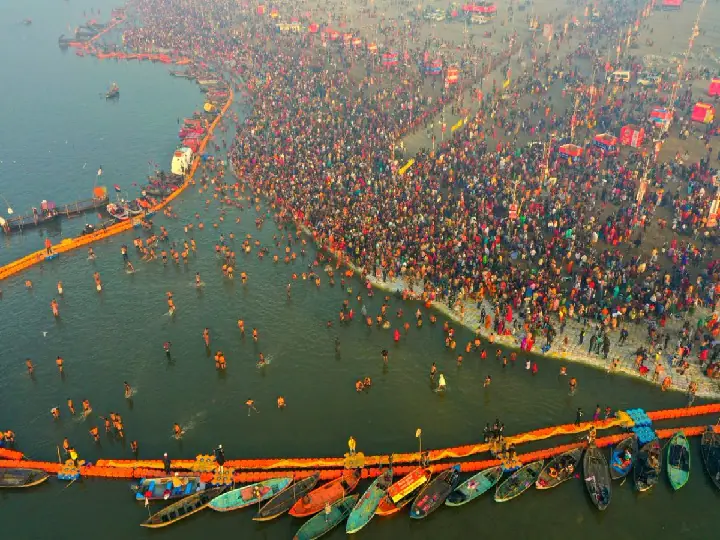
Drive to Prayagraj — Akshaya Vat, Patalpuri Temple & Triveni Sangam Sunset Boat Ride
Prayagraj — Triveni Sangam Dawn Snan, Alopi Devi Shakti Peetha, Bharadvaja Ashram & Ganga Aarti
Drive to Varanasi — Arrival, Ghat Walk & First Dashashwamedh Ganga Aarti
Varanasi — Sunrise Ganges Boat Ride, Kashi Vishwanath Corridor, Sarnath & Second Ganga Aarti
Drive to Ayodhya — Ram Mandir Darshan, Hanumangarhi & First Saryu Ghat Aarti
Ayodhya — Saryu Snan, Complete Sacred Circuit, Kanak Bhawan, Guptar Ghat & Second Saryu Aarti
Drive to Bodhgaya — Arrival & First Mahabodhi Temple Evening Circumambulation
Bodhgaya — Bodhi Tree Sunrise, Vajrasana, World Monastery Circuit, Dungeshwari Caves & Sujata Kuti
Bodhgaya — Dawn Bodhi Tree Meditation, Vishnupad Temple Gaya, Falgu River Pinda-daan & Departure
What's Included & What's Not Included
Inclusions
- 10 nights accommodation (2N Chitrakoot + 2N Prayagraj + 2N Varanasi + 2N Ayodhya + 2N Bodhgaya)
- Daily breakfast and dinner as per itinerary (11 Breakfasts + 10 Dinners)
- Private AC vehicle for all transfers and sightseeing throughout the 11-day circuit
- Full route: Chitrakoot - Prayagraj - Varanasi - Sarnath - Ayodhya - Bodhgaya - Gaya departure
- Dedicated English/Hindi-speaking pilgrimage guide at all five destinations
- Sunset boat ride at Triveni Sangam Prayagraj (Day 3)
- Sunrise boat ride on the Ganges at Varanasi (Day 6)
- Mandakini River sunset boat ride at Chitrakoot (Day 2)
- Two Dashashwamedh Ganga Aarti evenings at Varanasi (Days 5 and 6)
- Two Saryu Ghat Aarti evenings at Ayodhya (Days 7 and 8)
- Kamadgiri Parikrama guidance and full briefing
- All toll taxes, driver allowance, parking, and fuel charges
- Arrival pick-up at Chitrakoot (Karwi Railway Station or bus stand)
- Departure drop at Gaya Railway Station or Gaya Airport
- 24/7 on-call support throughout the 11-day journey
Exclusions
- Train, bus, or flight tickets to Chitrakoot (start) or from Gaya (end)
- Lunches and beverages not listed in the itinerary
- Personal puja samagri, prasad, temple donations, and offerings
- Allahabad Fort entry ticket for Akshaya Vat and Patalpuri Temple darshan
- Sarnath ASI site entry and museum fees (approx. Rs. 40 Indians / Rs. 600 foreign nationals)
- Mahabodhi Temple complex entry fees (as applicable)
- Pinda-daan pandit fees at Gaya (optional arrangement available on request)
- Any personal expenses — shopping, laundry, beverages, phone calls
- Travel insurance (strongly recommended for all travelers)
- Medical or emergency expenses
- Tips and gratuities for guide and driver
- Any services not explicitly mentioned under inclusions
Good to Know
Dress modestly at all sites — cover shoulders and knees; remove footwear before temples, ghats, and the Mahabodhi Temple complex.
Carry government-issued photo ID for each adult traveler (mandatory at Allahabad Fort and Mahabodhi Temple).
For Gupt Godavari inner cave (Chitrakoot): wear clothes suitable for wading ankle-deep water; keep valuables in a waterproof pouch.
Kamadgiri Parikrama is performed barefoot — carry a cloth bag for footwear during the 5 km circumambulation.
Photography is strictly prohibited inside the Ram Mandir sanctum (Ayodhya) and the Kashi Vishwanath main shrine (Varanasi).
At Bodhgaya Mahabodhi Temple: maintain complete silence in the meditation areas around the Bodhi Tree and Vajrasana; phones on silent mode.
Sarnath ASI site entry: approx. Rs. 40 for Indians, Rs. 600 for foreign nationals — payable on-site, not included.
Tour starts at Chitrakoot (Karwi Railway Station) and ends at Gaya (Railway Station or Airport) — both transfers included.
Buddha Purnima (April-May) and Pitru Paksha (Sept-Oct) at Gaya see extremely large crowds — book 3 months in advance for these windows.
Pinda-daan at Gaya Falgu River is available as an optional addition on Day 11 — please inform at time of booking for pandit arrangement.
The Day 9 drive from Ayodhya to Bodhgaya is long (approx. 6 hrs) — an early start after a light breakfast is recommended. An audio narration of the Buddhist Dhamma and sacred geography of Magadha will be provided by your guide during the drive.
Frequently Asked Questions — 10 Nights 11 Days Chitrakoot Prayagraj Varanasi Ayodhya Bodhgaya Tour Package
What makes the 11-day itinerary better than the 10-day (9N10D) version?
▼The key difference is two nights in Ayodhya instead of one. With one night in Ayodhya, pilgrims arrive in the afternoon, do the Ram Mandir darshan and evening Saryu Aarti, and leave early the next morning — missing the Saryu Snan at dawn, the complete sacred circuit (Kanak Bhawan, Sita Ki Rasoi, Guptar Ghat, Mani Parvat, Nageshwarnath Temple), and the second Saryu Aarti. Two nights in Ayodhya gives Day 7 for Ram Mandir and Hanumangarhi and Day 8 for the full sunrise-to-evening Ayodhya pilgrimage circuit. For a city as sacred as the birthplace of Lord Ram, one day is simply not enough.
What is the Vajrasana at the Mahabodhi Temple?
▼The Vajrasana (Diamond Throne) is the red sandstone platform beneath the Bodhi Tree at Bodhgaya, marking the precise spot where Siddhartha Gautama sat in meditation and attained Enlightenment (Nirvana) on the night of the full moon in 528 BCE. Emperor Ashoka built a diamond throne here in the 3rd century BCE to mark this sacred spot. Sitting at the Vajrasana beneath the living Bodhi Tree — a direct descendant of the original tree — is considered one of the most sacred and powerful acts a Buddhist pilgrim can perform. Pilgrims of all faiths report an extraordinary atmosphere of peace and clarity at this spot.
Why does the Falgu River at Gaya flow underground, and what is the Sita connection?
▼According to the Ramayana, when Ram, Sita, and Lakshman visited Gaya to perform Pinda-daan for King Dasharatha, Ram went into the city to make arrangements. While he was away, Dasharatha's soul appeared to Sita and asked for Pinda-daan immediately. Sita offered Pinda-daan using the Falgu River, but when Ram returned, the river falsely denied bearing witness to Sita's offering. An infuriated Sita cursed the Falgu River to flow underground forever. Today, the Falgu appears sandy on the surface — water flows beneath. This ancient curse from the Ramayana is the reason the river looks dry, and it connects the Gaya portion of this pilgrimage directly to the Ramayana theme that runs through Chitrakoot, Prayagraj, and Ayodhya.
Is Vishnupad Temple at Gaya suitable for non-Hindus or Buddhist travelers?
▼Non-Hindus and international travelers are generally welcomed at Vishnupad Temple to observe and experience the atmosphere, though the inner sanctum has restrictions. Buddhist travelers find Gaya very meaningful because the Falgu River and the city of Gaya itself appear in the Buddhist texts as the location where Siddhartha Gautama crossed the river before sitting under the Bodhi Tree. The geographical proximity of Vishnupad Temple and Bodhgaya (13 km) reflects the deep interweaving of Hindu and Buddhist sacred geography in this region.
Can Pinda-daan at Gaya be arranged during this package?
▼Yes — Pinda-daan at the Vishnupad Temple ghats on the Falgu River can be arranged as part of the Day 11 visit to Gaya. The ritual involves offering rice balls (pinda) at specific sacred spots along the Falgu River under the guidance of a Gaya pandit (panda), believed to liberate 21 generations of ancestors from the cycle of rebirth. This is one of the most powerful and revered ancestral rites in Hinduism. The pandit fee is additional and depends on the elaborateness of the ritual. Please inform us at the time of booking so we can pre-arrange a qualified Gaya panda for your group.
What is the ideal time of year for this 11-day circuit?
▼October to March is ideal for all five destinations. Key festival windows: Ram Navami (Ayodhya, Chitrakoot — book 10 weeks in advance), Deepotsav Ayodhya and Dev Deepawali Varanasi (November — both spectacular), Magh Mela Prayagraj (January-February), Buddha Purnima Bodhgaya (April-May — the most sacred day in Buddhism, extremely crowded — book 3 months ahead), and Pitru Paksha Gaya (September-October — the major Pinda-daan fortnight when lakhs of pilgrims arrive). Avoid May-June for the intense UP-Bihar heat. October-November is the single best window when all five cities are in their most festive and pleasant state simultaneously.
How does this package compare to other North India pilgrimage packages?
▼This 11-day circuit is the most comprehensive pilgrimage package in North India combining both Hindu and Buddhist sacred sites. Standard Char Dham packages cover only the four UP pilgrimage cities (Mathura, Vrindavan, Ayodhya, Varanasi). Standard Buddhist circuit packages cover only Bodhgaya, Sarnath, and Kushinagar. This package is unique in combining the complete Ramayana pilgrimage geography (Chitrakoot — vanvasa, Prayagraj — Bharadvaja Ashram, Ayodhya — janmabhoomi), the Shiva tradition (Kashi Vishwanath Jyotirlinga), and the complete Buddhist heartland (Sarnath and Bodhgaya) in one continuous 11-day journey — something no other standard package achieves.
Ready to Explore Chitrakoot?
Customized itineraries · Best price guarantee · 24×7 support