
8 Nights 9 Days Lucknow Naimisharanya Ayodhya Chhapiya Prayagraj Varanasi Tour Package

8 Nights / 9 Days · Pilgrimage & Heritage ·2 - 15 ·Lucknow
4.9 47 reviews

8 Nights 9 Days Lucknow Naimisharanya Ayodhya Chhapiya Prayagraj Varanasi Tour Package — Lucknow Tour Package Overview

Immerse yourself in the fullest spiritual and cultural grandeur of North India's sacred heartland with our 8 Nights 9 Days Lucknow Naimisharanya Ayodhya Chhapiya Prayagraj Varanasi Tour Package — the most comprehensive pilgrimage and heritage journey across six extraordinary destinations. Begin in Lucknow, the City of Nawabs, where Mughal-Nawabi magnificence, legendary Awadhi cuisine, and the timeless tehzeeb of the Nawabs enchant every visitor. Journey to Naimisharanya (Nimsar) — the Puranic forest sanctuary on the Gomti banks where the Mahabharata and all 18 Puranas were first narrated by the great Suta Goswami to 88,000 assembled rishis. Continue to Ayodhya — the birthplace of Bhagwan Shri Ram and a Sapta Puri city granting Moksha, home to the magnificent new Ram Mandir consecrated in January 2024. Detour to Chhapiya — the sacred birthplace of Lord Swaminarayan, a place of profound significance for 100 million devotees worldwide. Descend to Prayagraj — the Tirtha Raj at the sacred Triveni Sangam where the Ganga, Yamuna, and Saraswati rivers merge, site of the world's largest Kumbh Mela. Conclude in Varanasi — the eternal Kashi, city of Lord Shiva, oldest living city on earth, where the transcendent Ganga Aarti, Kashi Vishwanath Jyotirlinga darshan, dawn boat ride, and Sarnath (Buddha's first sermon site) offer two full days of unparalleled spiritual experience. This 9-day pilgrimage tour from Lucknow is designed for devotees and heritage seekers who want to experience every sacred landmark without rushing.

Package Highlights

V

VisitKashi

Your trusted travel partner · 24×7 support

Tour Highlights — Key Experiences in This Package

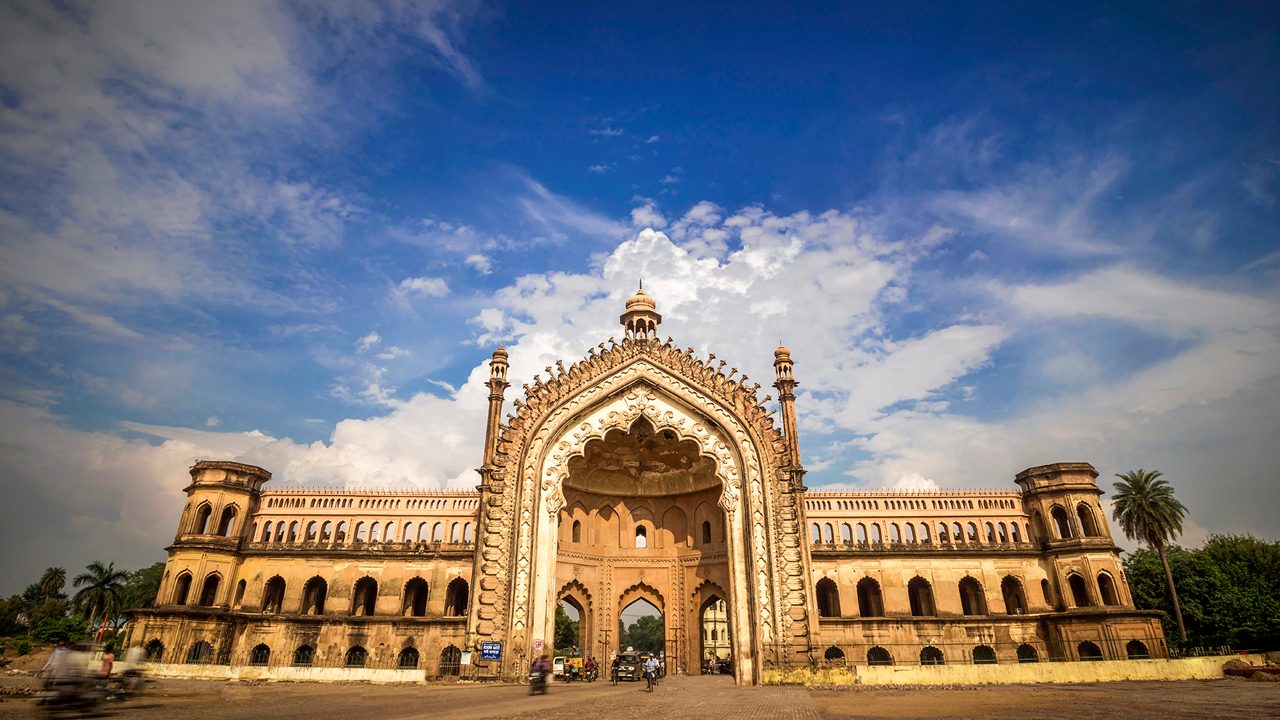
Lucknow — Bara Imambara, Bhulbhulaiya labyrinth, Rumi Darwaza & Chhota Imambara
Lucknow old-city food trail — Tundey Kababi, Dum Biryani, Sheermal & Meetha Paan
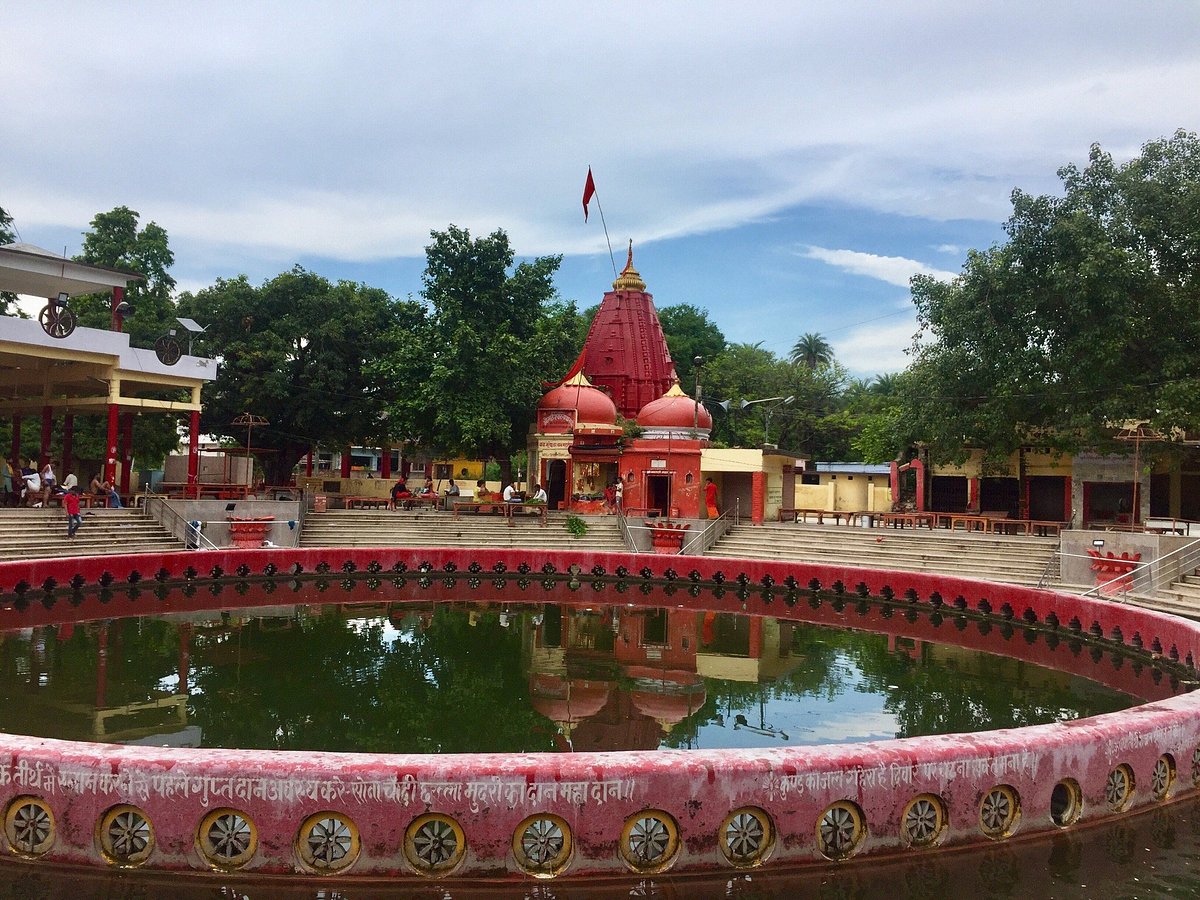
Naimisharanya — Chakra Kund, Lalita Devi Shakti Peetha, Vyas Gaddi & Gomti aarti
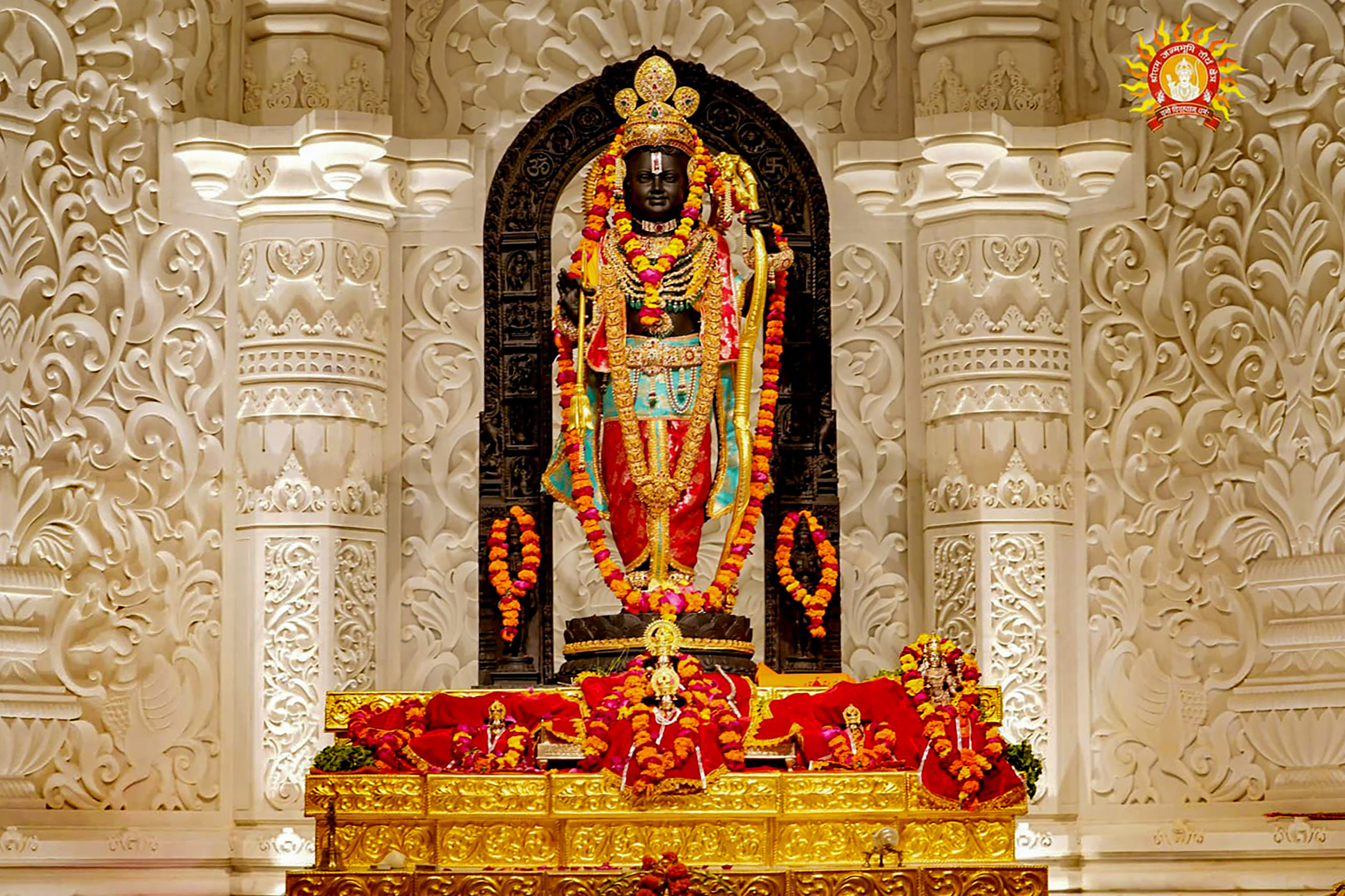
Ayodhya — Ram Mandir darshan, Hanumangarhi, Kanak Bhawan & Saryu Aarti
Chhapiya — Swaminarayan Janmabhoomi Temple, birthplace of Lord Swaminarayan
Prayagraj — Triveni Sangam holy dip & boat ride, Akbar's Fort & Patalpuri Temple
Varanasi — Kashi Vishwanath Jyotirlinga darshan & new Corridor (Day 1)
Varanasi — Ganga Aarti at Dashashwamedh Ghat & dawn boat ride (Day 2)
Sarnath — Dhamek Stupa, Ashoka's Lion Capital & Buddha's first sermon site
British Residency Lucknow — 1857 Siege ruins, most atmospheric heritage site in India
Expert pilgrimage guide throughout · Private AC vehicle for all transfers

Day-by-Day Itinerary — 8 Nights 9 Days Lucknow Naimisharanya Ayodhya Chhapiya Prayagraj Varanasi Tour Package

8 Nights / 9 Days · Lucknow · Timings adjustable to your arrival

Day 1

Arrival in Lucknow — Bara Imambara, Bhulbhulaiya, Rumi Darwaza & Hazratganj

Arrive at Lucknow by flight (Chaudhary Charan Singh International Airport) or train (Charbagh Railway Station). Meet your dedicated tour guide and transfer to hotel. After freshen-up, explore the monumental Bara Imambara (1784 CE) — Nawab Asaf-ud-Daula's legendary famine-relief architecture, housing one of the world's largest arched halls without external beams. Ascend to the Bhulbhulaiya — 489 identical doorways and interconnected labyrinthine passages on the upper floor, an 18th-century engineering marvel. Enjoy panoramic views of old Lucknow from the rooftop terraces. Visit the iconic Rumi Darwaza (1784 CE) — the towering 60-foot gateway modeled on Constantinople's Sublime Porte, one of North India's most photographed monuments. Evening: stroll Hazratganj — Lucknow's elegant colonial promenade. Dinner at a heritage Awadhi restaurant. Overnight in Lucknow.
Day 2

Lucknow — Chhota Imambara, British Residency, Hussainabad & Old City Food Trail

After breakfast, visit the Chhota Imambara (1837 CE) — the Palace of Lights, adorned with thousands of Belgian crystal chandeliers, golden calligraphy, and the silver-canopied throne of the Nawab. Proceed to the British Residency (1800 CE) — site of the famous Siege of Lucknow during the 1857 First War of Independence, with cannonball-scarred walls and the largest concentration of British graves in India. The haunting ruins are unlike any other heritage site in the country. Visit the Hussainabad Clock Tower (1887 CE) — India's tallest clock tower at 67 metres — and the adjacent Picture Gallery with life-size Nawabi portraits. Afternoon: the legendary Lucknow food trail — Tundey Kababi (est. 1905, 160-spice Galouti Kebab), Idris ki Biryani lane, Ram Asrey sweets (est. 1805). Evening: Aminabad bazaar for authentic Chikankari, Zardozi embroidery, Basket Chaat, and Meetha Paan. Overnight in Lucknow.
Day 3

Lucknow to Naimisharanya — Chakra Kund, Lalita Devi Shakti Peetha & Gomti Aarti

After breakfast, check out and drive to Naimisharanya (Nimsar) — 85 km, approx. 1.5 hrs. This ancient forest sanctuary is one of the holiest pilgrimage sites in Hindu tradition: where 88,000 rishis gathered and Maharishi Suta narrated all 18 Puranas. Begin at Chakra Kund — the circular sacred tank where Lord Vishnu's Sudarshana Chakra descended, a holy dip here equalling the merit of all tirthas. Offer prayers at the Lalita Devi Temple (Shakti Peetha) — one of the 108 sites where Sati's heart fell. Visit Vyas Gaddi (Maharishi Vyasa's composition seat of the Puranas), Dadhichi Kund, and the Balaji Temple. Evening: the deeply moving aarti on the Gomti riverbank amidst the ancient forest of Naimisharanya. Dinner and overnight at the pilgrim guesthouse.
Day 4

Naimisharanya to Ayodhya — Ram Mandir, Hanumangarhi, Kanak Bhawan & Saryu Aarti

Rise early for the dawn aarti at Chakra Kund. After morning puja and breakfast, drive to Ayodhya — 130 km, approx. 2.5 hrs. Ayodhya, the birthplace of Bhagwan Shri Ram, is one of the Sapta Puri — seven cities that grant Moksha. Begin with Saryu Snan at Ram ki Paidi — the holy bath in the sacred Saryu River, considered mandatory for all Ayodhya pilgrims. Ascend Hanumangarhi — the hilltop Hanuman temple at the highest point in Ayodhya, guarding the city for eternity as per the Valmiki Ramayana. Proceed to the Ram Mandir — the magnificent new temple consecrated 22 January 2024 at the Ram Janmabhoomi, built in Nagara-style Rajasthani pink sandstone with the idol of Ram Lalla in the sanctum. Visit Kanak Bhawan — the golden palace temple with exquisitely adorned Sita-Ram idols. Afternoon: explore additional Ayodhya temples — Nageshwarnath Mandir, Treta Ke Thakur, Dashrath Mahal. Evening: Saryu Aarti at Ram ki Paidi ghat. Overnight in Ayodhya.
Day 5

Ayodhya to Chhapiya — Swaminarayan Janmabhoomi & Drive to Prayagraj

After breakfast and morning aarti, drive to Chhapiya (100 km, 2 hrs). Chhapiya (Chapiya) in Gonda district is the birthplace of Sahajanand Swami — Lord Swaminarayan — born on Ram Navami 1781 CE, revered as Purna Purushottam Narayan by over 100 million Swaminarayan devotees worldwide (BAPS and all sects). The Janmabhoomi Temple marks the sacred room of his birth, with the ancient well, beautiful garden complex, and serene spiritual atmosphere. After prayers and prasad, proceed to Prayagraj — 270 km from Chhapiya (approx. 5 hrs). Arrive Prayagraj by evening. Check-in to hotel. Evening visit to the Triveni Sangam at dusk — the sacred meeting of the Ganga, Yamuna, and Saraswati rivers, awe-inspiring at sunset. Overnight in Prayagraj.
Day 6

Prayagraj — Triveni Sangam Holy Dip, Akbar's Fort, Anand Bhavan & Heritage Sites

Rise at dawn for the sacred Triveni Sangam Snan — the most meritorious holy bath in all Hindu scripture, at the confluence of the Ganga, Yamuna, and the mystical Saraswati. The boat ride on the Sangam — watching the distinct green Yamuna meet the grey Ganga — is visually and spiritually extraordinary. Offer prayers at Alopi Devi Mandir (unique Shakti Peetha — no idol, only an empty doli). Visit Allahabad Fort (1583 CE) — Akbar's massive riverside fort containing the ancient Patalpuri Temple (subterranean shrine) and the Akshayavat (the immortal Banyan tree). Visit Anand Bhavan — the Nehru family ancestral home and museum. Bharadwaj Ashram — ancient hermitage of Maharishi Bharadwaj, visited by Lord Rama. Afternoon: Triveni Pushpa Vatika gardens and the Sangam promenade. Evening at leisure for personal puja or rest. Overnight in Prayagraj.
Day 7

Prayagraj to Varanasi — Kashi Vishwanath Corridor Darshan & Ganga Ghats

After breakfast, check out and drive to Varanasi — 125 km, approx. 2.5 hrs. Varanasi (Kashi) is the oldest continuously inhabited city on earth, the eternal abode of Lord Shiva, where dying grants Moksha. Check-in to hotel. Proceed to the Kashi Vishwanath Temple — one of the twelve Jyotirlingas, now accessed via the magnificent new Kashi Vishwanath Dham Corridor (inaugurated December 2021) connecting the Ganga ghats to the temple in a grand 320-metre processional avenue. Offer prayers (Jal Abhishek). Afternoon: walk the legendary Ganga Ghats — Dashashwamedh, Manikarnika (the eternal cremation ghat), Kedar Ghat, Assi Ghat, Man Mandir Ghat. Visit Sankat Mochan Hanuman Temple — founded by Goswami Tulsidas (author of the Ramcharitmanas). Evening: the unmissable Ganga Aarti at Dashashwamedh Ghat — 7 priests simultaneously performing the synchronized fire ceremony, brass lamps with 51 flames, conch shells and Vedic hymns. Best experienced from a boat on the Ganga. Overnight in Varanasi.
Day 8

Varanasi — Dawn Boat Ride, Sarnath & Kashi's Ancient Temples

Rise before dawn for the sunrise boat ride on the sacred Ganga — one of the most profound experiences in India. Watch the ancient ghats awaken: pilgrims bathing, sadhus meditating, priests performing puja, the eternal pyres of Manikarnika glowing in the pre-dawn light. After the boat ride, visit Durga Kund Mandir (the Monkey Temple), Tulsi Manas Mandir (built at the site where Tulsidas composed the Ramcharitmanas), and Bharat Mata Mandir (the Temple of Mother India with a marble relief map of India). Afternoon: proceed to Sarnath — 10 km from Varanasi, the site of Gautama Buddha's first sermon after Enlightenment. Visit the Dhamek Stupa (5th century CE), the magnificent Mulagandhakuti Vihara, and the Sarnath Archaeological Museum (housing the original Lion Capital of Ashoka — the national emblem of India). Visit the Thai, Japanese, and Tibetan Buddhist temples at Sarnath. Evening: final sunset at the Ganga Ghats. Overnight in Varanasi.
Day 9

Varanasi — Morning Rituals & Departure

Rise early for a final morning aarti or personal puja at the Ghat. Savour the famous Varanasi breakfast: Kachori Sabzi (deep-fried puri with spiced potato curry) at one of the legendary old-city establishments near Godowlia or Assi Ghat — a beloved Varanasi institution. Visit any remaining shrines or markets: Vishwanath Gali (the narrow temple lane with shops selling puja items, silk, and rudraksha), or the Thatheri Bazaar for traditional brassware. Transfer to Varanasi Junction Railway Station (Cant Station) or Lal Bahadur Shastri International Airport for your onward journey. Tour concludes with the eternal blessings of Kashi.

What's Included & What's Not Included

Inclusions

  • 8 nights accommodation — 2 nights Lucknow, 1 night Naimisharanya (pilgrim guesthouse), 1 night Ayodhya, 2 nights Prayagraj, 2 nights Varanasi (Chhapiya visited en route, no overnight)
  • Daily breakfast and dinner as per itinerary (9 Breakfasts + 8 Dinners)
  • Private AC vehicle for all intercity transfers and local sightseeing throughout
  • Dedicated English/Hindi-speaking pilgrimage guide for all 9 days
  • Lucknow: Bara Imambara and Bhulbhulaiya guided tour (entry fees included)
  • Naimisharanya: Chakra Kund, Lalita Devi Temple, and Gomti aarti visits
  • Ayodhya: Ram Mandir, Hanumangarhi, Kanak Bhawan, Saryu Snan, and Saryu Aarti
  • Chhapiya: Swaminarayan Janmabhoomi Temple visit (en route)
  • Prayagraj: Triveni Sangam boat ride and holy dip (boat charges included)
  • Varanasi: Kashi Vishwanath Corridor darshan, Ganga Aarti, dawn boat ride, and Sarnath
  • Arrival pick-up from Lucknow Airport or Railway Station
  • Departure drop to Varanasi Airport or Railway Station
  • All toll taxes, driver allowance, parking, and fuel charges
  • 24/7 on-call support during the tour

Exclusions

  • Train or flight tickets to Lucknow (start) and from Varanasi (end)
  • Lunches and beverages not listed in the itinerary
  • Kashi Vishwanath special puja or Rudrabhishek (on request, at extra cost)
  • British Residency ASI entry ticket (approx. ₹25 for Indians)
  • Sarnath Museum entry fee (approx. ₹20 for Indians)
  • Shopping expenses — Aminabad Lucknow, Varanasi silk market, Vishwanath Gali
  • Personal expenses — laundry, beverages, phone calls
  • Travel insurance (strongly recommended)
  • Medical or emergency expenses
  • Tips for guide and driver (appreciated)
  • Any services not explicitly listed under inclusions

Good to Know

Tour starts in Lucknow (Charbagh Railway Station / Lucknow Airport) and ends in Varanasi (Cant Station / LBS International Airport). Both are included.

Carry government-issued photo ID — required at Kashi Vishwanath Temple (Aadhaar mandatory), British Residency (ASI monument), and for train/flight travel.

Dress code: modest clothing covering shoulders and knees required at all temples. Remove footwear before entering all shrines.

Naimisharanya accommodation is simple pilgrim/dharamshala standard, strictly vegetarian meals. Guests preferring comfort may opt for hotel in Sitapur (20 km) — inform us at booking.

Kashi Vishwanath Temple: cameras and phones must be deposited at the cloak room. The inner sanctum may be restricted to Hindus — guide will advise on-site.

Varanasi Ganga Aarti (Dashashwamedh Ghat): arrive 30 minutes early. Our guide arranges the boat for the best river-view experience.

Dev Deepawali (November full moon): if your travel dates coincide, this is the most spectacular time to be in Varanasi — book 6–8 weeks in advance.

For guests extending to Bodhgaya after Varanasi (additional 280 km), ask about our 9N10D or 10N11D extension packages.


Frequently Asked Questions — 8 Nights 9 Days Lucknow Naimisharanya Ayodhya Chhapiya Prayagraj Varanasi Tour Package

What is the significance of the Triveni Sangam at Prayagraj?

The Triveni Sangam is the meeting point of three rivers: the Ganga (from Uttarakhand), the Yamuna (from Yamunotri), and the Saraswati (the ancient underground river, invisible to the eye but present in scripture and tradition). Hindu scripture identifies the Sangam as the Tirtha Raj — the king of all pilgrimages. A holy bath at the Sangam is said to be equivalent to the merit of all other pilgrimages combined. The Sangam is the site of the Kumbh Mela (every 12 years) — the largest human gathering on earth, attended by over 400 million people during the 2025 Maha Kumbh. Even outside Kumbh, the Sangam draws millions of pilgrims annually for Makar Sankranti, Vasant Panchami, and continuous year-round bathing.

Why is Varanasi given 2 nights in this tour?

Varanasi (Kashi) is arguably the most sacred and spiritually complex destination in India, with a 3,000-year continuous history of habitation and an extraordinary density of temples, ghats, and sacred experiences. Two nights allow pilgrims to experience all the essential Varanasi experiences without rushing: Day 1 — Kashi Vishwanath Corridor darshan, ghat walk, and the evening Ganga Aarti (ideally from a boat); Day 2 — the sunrise boat ride (the most iconic Varanasi experience), Sarnath, and Kashi's ancient temples. Trying to compress Varanasi into a single day always leads to missing something essential. The extra night also allows for optional early morning puja or personal prayers at any of the 2,000+ temples in Kashi.

What is the Kashi Vishwanath Corridor and how does it improve the darshan experience?

The Kashi Vishwanath Dham Corridor was inaugurated in December 2021, creating a grand 320-metre wide processional avenue between the Ganga Ghats and the Kashi Vishwanath Jyotirlinga Temple. Previously, the temple was accessible only through extremely narrow lanes. The corridor features prayer halls, a vedic centre, multipurpose spaces, a tourist facilitation centre, and museums — all in traditional Kashi architectural style. The temple can now accommodate 75,000 pilgrims daily. Darshan is organized into queues for general and VIP access. The most spiritual approach is to enter from Lalita Ghat after a Ganga Snan — the same route used by pilgrims for centuries.

What is special about Sarnath for non-Buddhist visitors?

Sarnath is where Gautama Buddha delivered his first discourse (Dhammacakkappavattana Sutta) after attaining Enlightenment at Bodh Gaya — one of the most significant events in the history of religion. For non-Buddhist visitors: the Dhamek Stupa (5th century CE) is a magnificent ancient structure at the exact spot of the first sermon; the Sarnath Museum houses the original Lion Capital of Ashoka — the national emblem of India, carved in 250 BCE; the beautifully maintained deer park (Mrigadava) has a serene, contemplative atmosphere. The collection of Buddhist temples from Thailand, Japan, China, Tibet, and Myanmar make Sarnath a fascinating international cultural site. Visit takes 2–3 hours.

Is this package suitable for senior citizens and elderly pilgrims?

Yes — this package is frequently booked by senior pilgrims (ages 65–80). Key considerations: (1) Private AC vehicle throughout — no public transport or shared cabs; (2) The dedicated guide manages all queue management and temple entry; (3) Hanumangarhi in Ayodhya has 76 steep steps — those unable to climb can offer prayers from the base and still receive darshan; (4) The Ganga boat ride at Varanasi is a gentle, seated experience; (5) Accommodation is mid-range comfortable with all standard facilities. We can arrange ground-floor rooms on request. For pilgrims with specific health conditions, please inform us at the time of booking and we will make appropriate adjustments to the itinerary pace.

What is the best month to visit for Dev Deepawali in Varanasi?

Dev Deepawali falls on Kartik Purnima — the full moon of the Hindu month Kartik, typically in November (2025: November 5, 2026: November 23). On this night, the citizens of Varanasi light over 1 million oil lamps (diyas) on all 84 ghats of the Ganga, transforming the riverfront into an ocean of light. The Ganga Aarti on Dev Deepawali night is 10 times more spectacular than a regular evening. This is widely considered the most visually stunning event in all of India. Advance booking 6–8 weeks ahead is essential for Dev Deepawali dates as Varanasi hotels sell out completely.


Ready to Explore Lucknow?

Customized itineraries · Best price guarantee · 24×7 support

Ready to Plan Your Sacred Journey?

Talk to our Varanasi travel experts — free consultation, custom itinerary & transparent pricing.