4 Nights 5 Days Lucknow Naimisharanya Ayodhya Tour Package — Lucknow Tour Package Overview
Embark on the perfect blend of Nawabi splendour, Vedic antiquity, and Ram Bhakti with our 4 Nights 5 Days Lucknow Naimisharanya Ayodhya Tour Package — a deeply enriching 5-day journey through three extraordinary destinations of Uttar Pradesh. Begin with two glorious nights in Lucknow — the City of Nawabs — exploring the magnificent Bara Imambara with its legendary Bhulbhulaiya labyrinth, the bejewelled Chhota Imambara, the iconic Rumi Darwaza, the haunting 1857 British Residency, the Hussainabad Clock Tower, and the legendary food trail of Awadhi cuisine. Journey to Naimisharanya (Nimsar) — just 85 km from Lucknow — the ancient sacred forest declared the supreme tirtha in the Skanda Purana, home to Chakra Tirth (where Lord Brahma's Sudarshana Chakra descended), Lalita Devi Shakti Peetha (one of the 108 most sacred goddess shrines), the Vyasa Gaddi (where Maharishi Vedavyasa composed all 18 Puranas), and the holy Gomati River. Conclude in Ayodhya — the eternal birthplace of Lord Ram — for darshan at the newly consecrated Ram Mandir (January 2024), Hanumangarhi, a Saryu River Snan, Kanak Bhawan, and the enchanting Saryu Ghat Aarti. This 5-day circuit connects the three most iconic destinations of Awadh in one perfectly sequenced pilgrimage-and-heritage journey, accessible from Lucknow's international airport with maximum convenience.
V
VisitKashi
Your trusted travel partner · 24×7 support
Tour Highlights — Key Experiences in This Package
Bara Imambara & the legendary Bhulbhulaiya — 18th-century architectural enigma of 489 identical doors
Chhota Imambara — the Palace of Lights adorned with Belgian crystal chandeliers
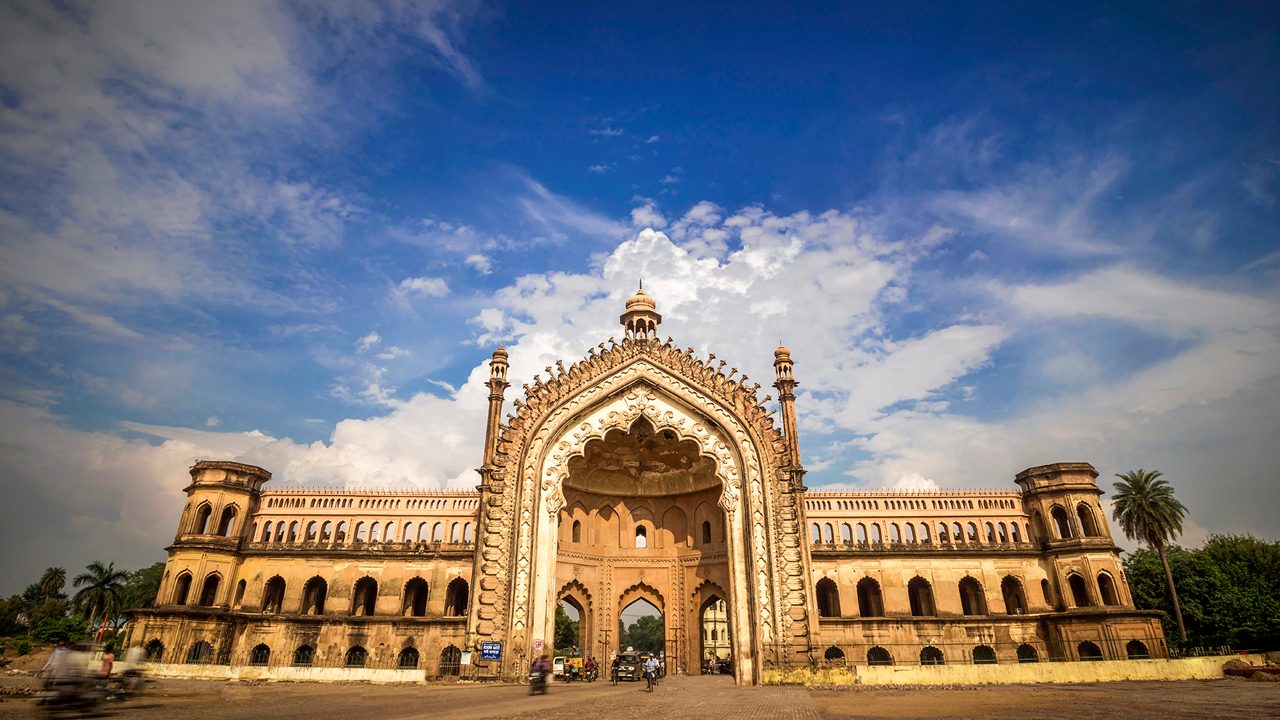
Rumi Darwaza — Lucknow's iconic 60-foot Nawabi gateway
British Residency ruins — the haunting site of the 1857 Siege of Lucknow
Legendary Awadhi cuisine — Galouti Kebab, Dum Biryani, Nihari & Meetha Paan
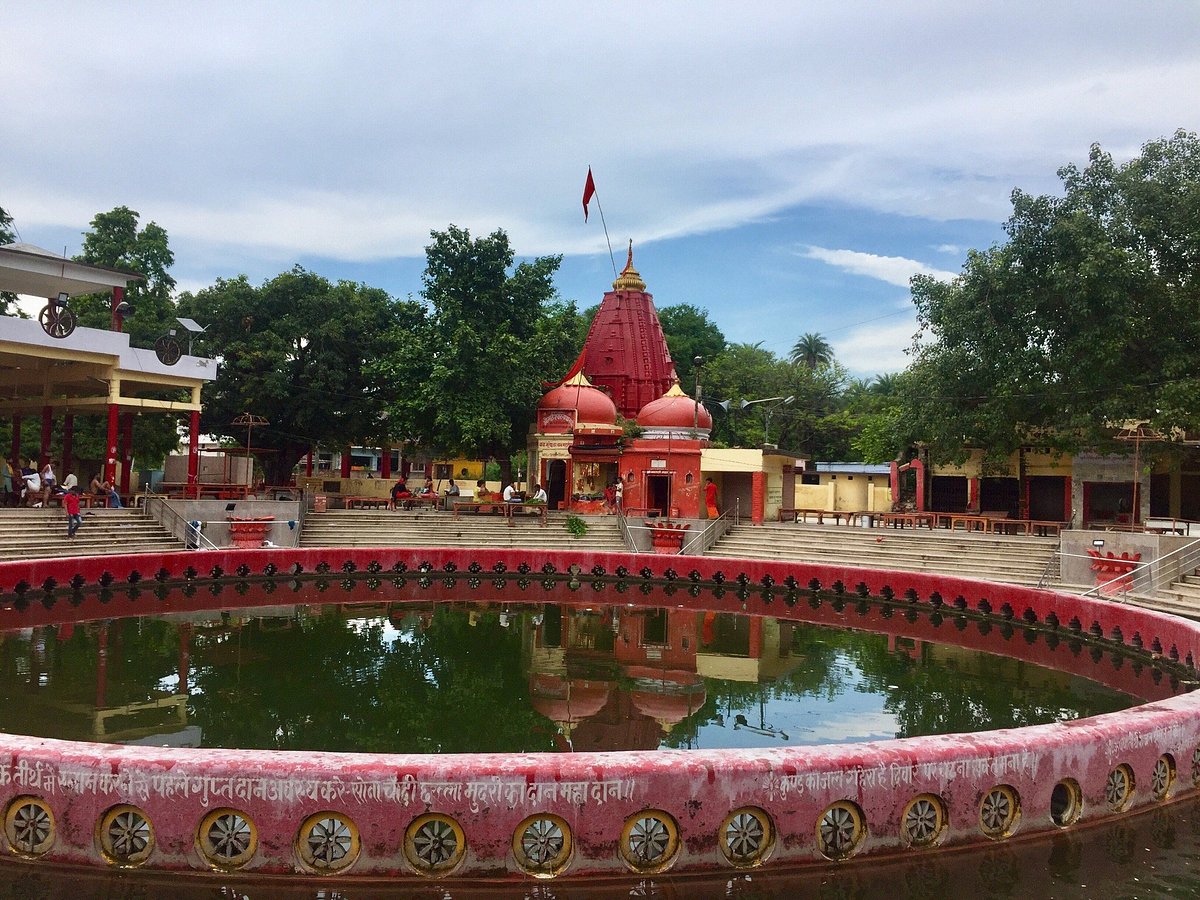
Chakra Tirth Snan at Naimisharanya — the holiest tirtha of the Skanda Purana
Lalita Devi Shakti Peetha — one of the 108 most sacred goddess temples in India
Vyasa Gaddi — the birthplace of the entire Puranic literary tradition
Dadhichi Kund & Gomati Snan at Naimisharanya
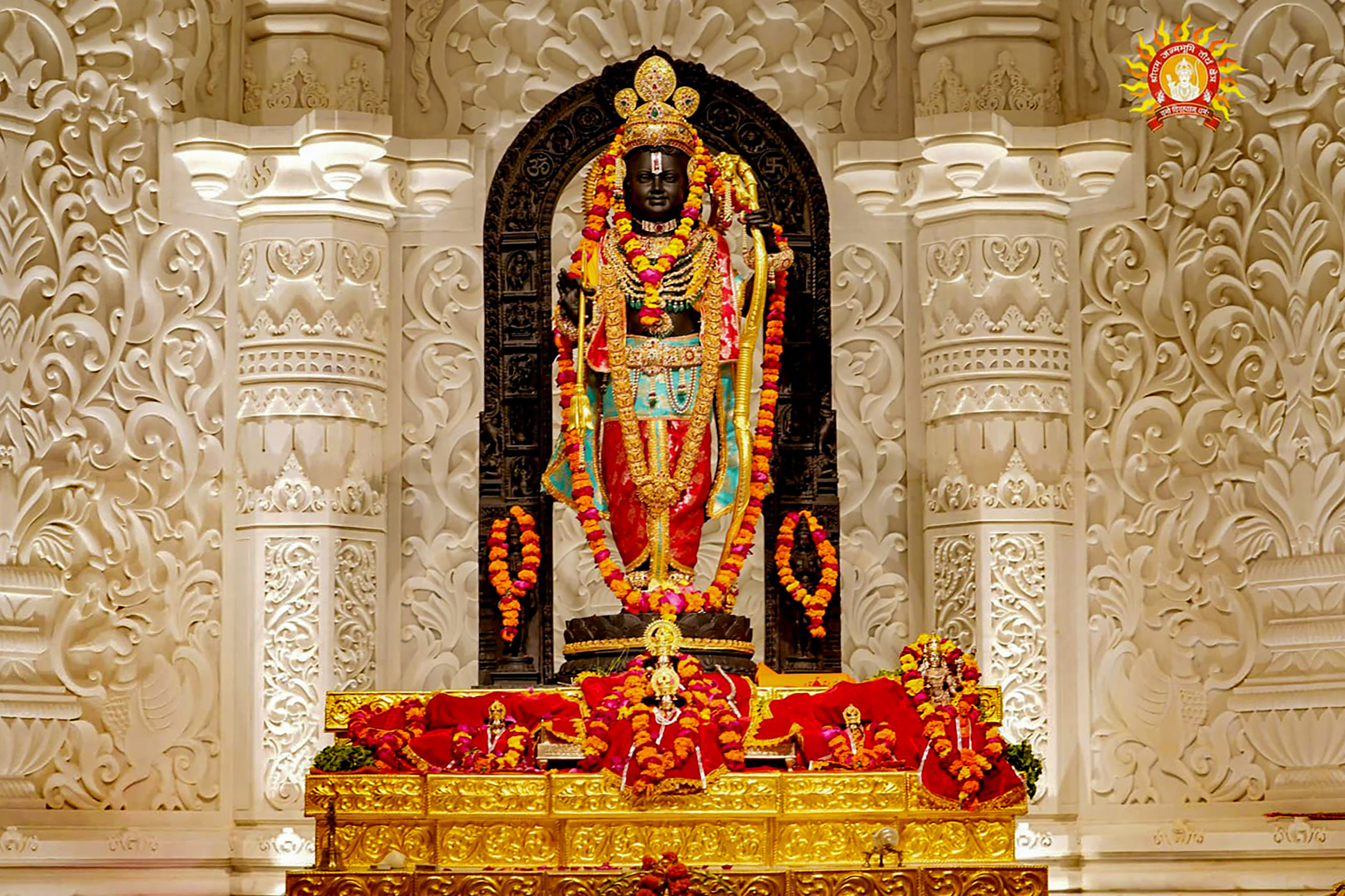
Ram Mandir darshan at Ayodhya — the most awaited temple of the millennium
Hanumangarhi & Saryu Snan — the complete Ayodhya pilgrimage experience
Saryu Ghat Aarti — the sacred fire ritual on Lord Ram's eternal river
Day-by-Day Itinerary — 4 Nights 5 Days Lucknow Naimisharanya Ayodhya Tour Package
4 Nights / 5 Days · Lucknow · Timings adjustable to your arrival
Day 1
Arrival in Lucknow — Bara Imambara, Bhulbhulaiya Labyrinth, Rumi Darwaza & Hazratganj
▼
Arrive at Lucknow by flight (Chaudhary Charan Singh International Airport) or train (Lucknow Junction / Charbagh). Meet your dedicated guide and check in to hotel. After freshen-up, proceed to the Bara Imambara (1784 CE) — built by Nawab Asaf-ud-Daula as a famine-relief project, this monumental complex is one of the finest examples of Awadhi architecture in the world. The central hall is one of the largest arched chambers in Asia without any external beam support — an engineering marvel of the 18th century. Visit the Asfi Mosque and Shahi Baoli within the complex. The undisputed highlight is the Bhulbhulaiya — the labyrinthine upper-floor corridor system with 489 identical archways, interconnected staircases, and passages that have confused visitors for 240 years. Even skilled engineers have never fully mapped it. With your expert guide, navigate this architectural puzzle while your guide narrates the ingenious defensive logic behind its design. Ascend to the rooftop terraces for panoramic views of old Lucknow. Outside: stand before the magnificent Rumi Darwaza (1784 CE) — the imposing 60-foot ceremonial gate with its distinctive lotus-and-flower crown, modeled on the Sublime Porte in Constantinople. Evening: walk Hazratganj — Lucknow's elegant colonial-era promenade with heritage buildings, independent bookstores, cafes, and Lucknawi sweets. Dinner and overnight in Lucknow.
Day 2
Chhota Imambara, British Residency, Hussainabad & Legendary Awadhi Food Trail
▼
After breakfast, visit the Chhota Imambara (1837 CE) — the Palace of Lights, built by Nawab Muhammad Ali Shah. Step inside for one of the most dazzling interiors in India: thousands of crystal chandeliers from Belgium shimmer from the ceiling and walls, the golden-canopied Nawab's throne gleams at the centre, and gilded Quranic calligraphy covers every surface. The ornate marble tomb of Muhammad Ali Shah and his mother are works of supreme craftsmanship. Proceed to the British Residency (1800 CE) — the sprawling complex of colonial buildings that became the stage for the 87-day Siege of Lucknow during the 1857 First War of Independence. The cannonball-pocked ruins, the largest concentration of British graves on Indian soil, and the deeply evocative museum make this the most historically resonant site in Lucknow. Visit the Hussainabad Clock Tower (1887 CE) — India's tallest clock tower at 67 metres, with the adjacent Picture Gallery housing life-size portraits of the Awadh Nawabs painted by European artists. Afternoon: the legendary Lucknow food trail — Tundey Kababi on Aminabad Road (est. 1905, the original Galouti Kebab establishment using 160 spices to create a melt-on-the-tongue kebab unlike anything else), Lucknawi Dum Biryani, and Ram Asrey sweets (est. 1805). Evening: Aminabad bazaar for authentic Chikankari kurtas, Zardozi embroidery, and iconic Basket Chaat street food. Overnight in Lucknow.
Day 3
Drive to Naimisharanya — Chakra Tirth Snan, Lalita Devi Shakti Peetha & Gomati River Aarti
▼
After breakfast, check out and drive to Naimisharanya (approx. 85 km, 1.5 hrs from Lucknow via Sitapur Highway) — the ancient forest of Nimsar that the Skanda Purana declares the most sacred of all pilgrimage sites in India. The Puranas narrate that at the dawn of Kali Yuga, 88,000 rishis gathered here under Sage Shaunaka to hear the Puranas recited by Suta Goswami — making this forest the living cradle of the Vedic literary tradition. Lord Brahma spun his Sudarshana Chakra here, and where it came to rest became Chakra Tirth — the most sacred spot. Check in to guesthouse. Begin darshan: Chakra Tirth Kund — the sacred pond where Brahma's Chakra landed; bathing here is equated with the merit of 100 Ashwamedha Yagnas. Lalita Devi Temple — one of the 108 Shakti Peethas and one of the most powerful goddess shrines in North India, fiercely revered by devotees from across UP and Bihar. Take a purifying dip (Snan) in the holy Gomati River — declared a daughter of Brahma in the Puranas, bathing at its source at Naimisharanya bestows exceptional spiritual merit. Evening: attend the aarti and evening puja at the Lalita Devi temple complex as the ancient forest grows still in the gathering dusk. Dinner and overnight at Naimisharanya.
Day 4
Naimisharanya — Vyasa Gaddi, Dadhichi Kund → Drive to Ayodhya — Ram Mandir & Saryu Aarti
▼
Rise before sunrise for a Gomati Snan at Chakra Tirth at the auspicious Brahma Muhurta. After the snan, complete the deeper Naimisharanya circuit: Vyasa Gaddi — the sacred stone seat where Maharishi Vedavyasa divided the Vedas and composed all 18 Puranas and the Mahabharata, making this the birthplace of the entire written Vedic literary tradition of India. Dadhichi Kund — the sacred pond where Rishi Dadhichi meditated for lifetimes and ultimately donated his bones to Indra for the creation of the Vajra weapon, one of the greatest acts of selfless sacrifice in Hindu mythology. Soot Gaddi — where Suta Goswami recited the Puranas to the assembled rishis. Hanuman Garhi Naimisharanya. After prasad and blessings, check out and drive to Ayodhya (approx. 130 km, 2.5 hrs from Naimisharanya) — the eternal birthplace of Lord Ram, one of India's seven most sacred Sapta Puri cities. Check in to hotel. Afternoon: darshan at the magnificent Ram Mandir — the grand temple consecrated on 22 January 2024 at the exact birthplace of Lord Ram after a 500-year sacred movement. The 161-foot Nagara shikhara, white Rajasthani marble, and intricately carved pink sandstone make it a masterpiece of contemporary temple architecture. Visit Hanumangarhi — the hilltop fort-temple of Sankat Mochan Hanuman, perched 76 feet above the city. Evening: the Saryu Aarti at Ram Ki Paidi — priests perform the sacred fire ritual as oil lamps drift down the holy Saryu, creating one of the most serene and moving spiritual moments in all of Ayodhya. Overnight in Ayodhya.
Day 5
Ayodhya Full Darshan — Saryu Snan, Kanak Bhawan, Sita Rasoi, Guptar Ghat & Departure
▼
Wake before sunrise for a Saryu Snan at Ram Ki Paidi — the most sacred act in Ayodhya, a bath in this divine river is believed to wash away the accumulated karma of countless lifetimes and confer liberation. After the snan and morning prayers, explore the complete Ayodhya darshan circuit: Kanak Bhawan — the golden palace gifted to Sita by Queen Kaikeyi, housing resplendent golden idols of Ram and Sita in the inner sanctum and regarded as the most beloved of Sita's temples. Sita Ki Rasoi — the original royal kitchen of the Ayodhya palace, believed to be the very kitchen where Sita cooked for Ram and Lakshman, now maintained as a revered temple. Nageshwarnath Temple — one of the oldest continuously worshipped temples in Ayodhya, established by Ram's son Luv or Kush according to tradition. Treta Ke Thakur at Tulsi Ghat — the spot where the great poet-saint Tulsidas received a divine darshan of Lord Ram and wrote portions of the Ramcharitmanas. Mani Parvat — the sacred hillock. Guptar Ghat — the solemn site on the Saryu where Lord Ram took Jal Samadhi at the conclusion of his earthly avatar, marking the end of the Treta Yuga. Final prayers and collection of prasad. Transfer to Ayodhya Railway Station or Maharishi Valmiki International Airport for your onward journey. Alternatively, transfer to Lucknow (135 km, 2.5 hrs) for departures from Lucknow Airport — included as an option. Tour concludes with the complete blessings of the City of Nawabs, the forest of the Vedic rishis, and the birthplace of Lord Ram.
What's Included & What's Not Included
Inclusions
- 4 nights accommodation (2N Lucknow + 1N Naimisharanya + 1N Ayodhya)
- Daily breakfast and dinner as per itinerary (5 Breakfasts + 4 Dinners)
- Private AC vehicle for all transfers throughout the tour
- Full route: Lucknow → Naimisharanya → Ayodhya → departure (Ayodhya or Lucknow)
- Arrival pick-up from Lucknow Airport or Railway Station
- Departure drop at Ayodhya Station/Airport or Lucknow Airport/Station (your choice)
- Dedicated English/Hindi-speaking heritage-cum-pilgrimage guide throughout all 5 days
- Bara Imambara and Bhulbhulaiya guided tour (entry fees included)
- Old-city food trail walk in Aminabad (Tundey Kababi, Chikankari bazaar)
- Chakra Tirth and Gomati Snan guidance at Naimisharanya
- All toll taxes, driver allowance, parking, and fuel charges
- 24/7 on-call support throughout the tour
Exclusions
- Flight or train tickets to Lucknow (start) or from Ayodhya/Lucknow (end)
- Lunches and beverages not specified in the itinerary
- British Residency ASI entry ticket (approx. ₹25 for Indians)
- Personal puja samagri, prasad, temple donations at Naimisharanya and Ayodhya
- Shopping at Aminabad bazaar or Ayodhya markets
- Any personal expenses — laundry, beverages, phone calls
- Travel insurance (strongly recommended)
- Medical or emergency expenses
- Tips and gratuities for guide and driver
- Any services not explicitly listed under inclusions
Good to Know
Dress modestly at all pilgrimage sites — cover shoulders and knees; remove footwear at all shrines and ghats.
Carry a government-issued photo ID for each adult traveler (required at British Residency, Lucknow).
For Gomati Snan at Naimisharanya: carry a change of clothes; the ghat is accessible for all ages.
Naimisharanya is a vegetarian-only sacred zone — no non-vegetarian food or alcohol within the pilgrimage area.
Photography is strictly prohibited inside the Ram Mandir sanctum sanctorum (Ayodhya).
The Bhulbhulaiya at Bara Imambara: always follow your guide — do not wander independently.
Tour starts in Lucknow and ends in Ayodhya (or Lucknow on request). Pick-up from Lucknow Airport/Station included.
During Kartik Purnima (November) at Naimisharanya, Ram Navami (March–April) at Ayodhya, and Deepotsav (November) at Ayodhya, book 6–8 weeks in advance.
Frequently Asked Questions — 4 Nights 5 Days Lucknow Naimisharanya Ayodhya Tour Package
What is the best sequence — Lucknow → Naimisharanya → Ayodhya or the reverse?
▼
Lucknow → Naimisharanya → Ayodhya is the optimal sequence for two reasons. First, it follows a geographically efficient route (Lucknow to Naimisharanya is 85 km, Naimisharanya to Ayodhya is 130 km — totaling 215 km in a straight line rather than backtracking). Second, narratively it builds beautifully: starting with the Nawabi cultural grandeur of Lucknow, transitioning to the ancient Vedic spirituality of Naimisharanya, and culminating at Ayodhya — the birthplace of Lord Ram — creates a deeply satisfying arc from culture to scripture to devotion. The tour can be reversed for travelers arriving from Ayodhya.
Can we depart from Lucknow instead of Ayodhya at the end?
▼
Yes. After the Ayodhya darshan on Day 5, we offer a transfer back to Lucknow (135 km, 2.5 hrs) for departures from Chaudhary Charan Singh International Airport or Lucknow Junction Railway Station. This is included as an option at no extra charge for guests with afternoon or evening flights/trains. Lucknow has significantly more flight connectivity than Ayodhya's Maharishi Valmiki International Airport. Please inform us of your departure time when booking so we can plan accordingly.
Is Naimisharanya a strictly vegetarian site? What are the rules?
▼
Yes. Naimisharanya (Nimsar) is a traditional Vedic pilgrimage town where non-vegetarian food, alcohol, and leather items are considered inappropriate within the sacred precinct. All food served at the guesthouses and dhabas around the pilgrimage area is pure vegetarian and sattvic (no onion/garlic in many establishments). This is not an imposed restriction but a centuries-old tradition maintained by the local Brahmin community. Guests should plan accordingly — the sattvic food is simple, nourishing, and surprisingly delicious.
How is Ram Mandir Ayodhya in terms of crowd management? Do we need to book darshan?
▼
The Ram Mandir operates a well-organized darshan system with multiple queues for general and VIP access. On regular days (non-festival), waiting time in the regular queue is 30–90 minutes. We schedule the Ram Mandir darshan in the afternoon of Day 4, avoiding peak morning rush hours. For major festival dates (Ram Navami, Deepotsav, Kartik Purnima), advance VIP darshan passes may be arranged — please inform us 4–6 weeks in advance if your visit coincides with a festival. Photography is strictly prohibited inside the sanctum.
What is special about the Saryu River at Ayodhya?
▼
The Saryu (also spelled Sarayu) is one of the most sacred rivers in the Valmiki Ramayana. It flows directly through Ayodhya and is intimately connected with Lord Ram's life — Ram Ki Paidi (the main ghat) is where Ram and his people bathed daily, where the Saryu Aarti is performed every evening, and where Lord Ram ultimately took Jal Samadhi (water Samadhi) at Guptar Ghat at the close of his earthly life. The Ramayana describes the Saryu as a divine river created by Brahma. Bathing in the Saryu at Ayodhya is considered one of the most meritorious acts in Vaishnava tradition.
Can we add Chhapiya (birthplace of Swaminarayan) to this tour?
▼
Yes. Chhapiya (Chapiya) in Gonda district is approximately 100 km from Ayodhya (2 hrs). It can be added as a half-day excursion from Ayodhya on Day 5 morning before departure, or as a dedicated night stop extending the tour to a 5N6D package. Chhapiya is the birthplace of Bhagwan Swaminarayan (born on Ram Navami 1781) and is deeply sacred for millions of BAPS and Swaminarayan followers worldwide. The Swaminarayan Janmabhoomi temple complex is beautifully maintained. Contact us to add Chhapiya to this itinerary.
Ready to Explore Lucknow?
Customized itineraries · Best price guarantee · 24×7 support