

11 Nights 12 Days Chitrakoot Prayagraj Varanasi Ayodhya Naimisharanya Bodhgaya Tour Package — Chitrakoot Tour Package Overview
Package Highlights
VisitKashi
Your trusted travel partner · 24×7 support
Tour Highlights — Key Experiences in This Package
Day-by-Day Itinerary — 11 Nights 12 Days Chitrakoot Prayagraj Varanasi Ayodhya Naimisharanya Bodhgaya Tour Package
11 Nights / 12 Days · Chitrakoot · Timings adjustable to your arrival
Arrival in Chitrakoot — Kamadgiri Parikrama & Ram Ghat Evening Aarti
Chitrakoot Deep Darshan — Gupt Godavari, Hanuman Dhara, Sphatik Shila, Sati Anusuiya & Mandakini Sunset
Drive to Prayagraj — Akshaya Vat, Patalpuri Temple & Triveni Sangam Sunset Boat Ride
Prayagraj — Triveni Sangam Dawn Snan, Alopi Devi Shakti Peetha, Bharadvaja Ashram & Ganga Aarti
Drive to Varanasi — Arrival, Ghat Walk & First Dashashwamedh Ganga Aarti
Varanasi — Sunrise Ganges Boat Ride, Kashi Vishwanath Corridor, Sarnath & Second Ganga Aarti
Drive to Ayodhya — Ram Mandir Darshan, Hanumangarhi & First Saryu Ghat Aarti
Ayodhya — Saryu Snan, Full Sacred Circuit, Kanak Bhawan, Guptar Ghat & Second Saryu Aarti
Ayodhya to Naimisharanya — Chakra Tirtha, Dadhichi Kund, Vyas Gaddi & Lalita Devi Temple
Naimisharanya — Panch Prayag, Hanumat Dham & Drive to Bodhgaya
Bodhgaya — Mahabodhi Temple, Sacred Bodhi Tree, Vajrasana, World Monastery Circuit & Dungeshwari Caves
Bodhgaya — Dawn Bodhi Tree Meditation, Vishnupad Temple Gaya, Falgu River Pinda-daan & Departure
What's Included & What's Not Included
Inclusions
- 11 nights accommodation (2N Chitrakoot + 2N Prayagraj + 2N Varanasi + 2N Ayodhya + 1N Naimisharanya/Sitapur + 2N Bodhgaya)
- Daily breakfast and dinner as per itinerary (12 Breakfasts + 11 Dinners)
- Private AC vehicle for all transfers and sightseeing throughout the 12-day circuit
- Full route: Chitrakoot - Prayagraj - Varanasi - Sarnath - Ayodhya - Naimisharanya - Bodhgaya - Gaya departure
- Dedicated English/Hindi-speaking pilgrimage guide at all six destinations
- Sunset boat ride at Triveni Sangam Prayagraj
- Sunrise boat ride on the Ganges at Varanasi
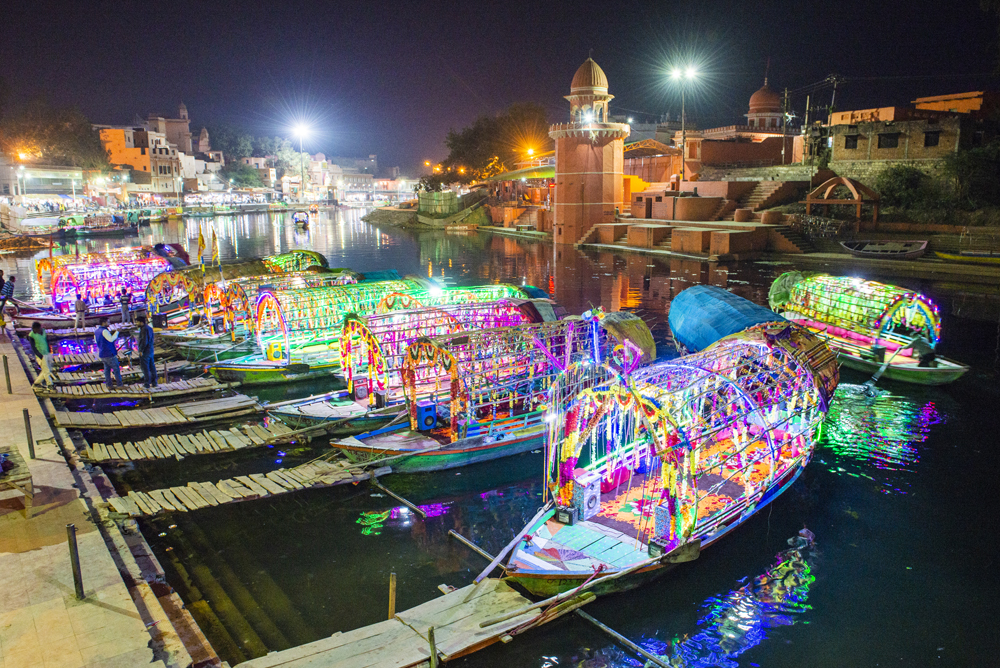
- Mandakini River sunset boat ride at Chitrakoot
- Two Dashashwamedh Ganga Aarti evenings at Varanasi
- Two Saryu Ghat Aarti evenings at Ayodhya
- Gomti River Aarti and Chakra Tirtha morning prayers at Naimisharanya
- Kamadgiri Parikrama guidance and full briefing
- All toll taxes, driver allowance, parking, and fuel charges
- Arrival pick-up at Chitrakoot (Karwi Railway Station or bus stand)
- Departure drop at Gaya Railway Station or Gaya Airport
- 24/7 on-call support throughout the 12-day journey
Exclusions
- Train, bus, or flight tickets to Chitrakoot (start) or from Gaya (end)
- Lunches and beverages not listed in the itinerary
- Personal puja samagri, prasad, temple donations, and offerings
- Allahabad Fort entry ticket for Akshaya Vat and Patalpuri Temple darshan
- Sarnath ASI site entry and museum fees (approx. Rs. 40 Indians / Rs. 600 foreign nationals)
- Mahabodhi Temple complex entry fees as applicable
- Pinda-daan pandit fees at Gaya (optional, available on request)
- Any personal expenses — shopping, laundry, beverages, phone calls
- Travel insurance (strongly recommended for all travelers)
- Medical or emergency expenses
- Tips and gratuities for guide and driver
- Any services not explicitly mentioned under inclusions
Good to Know
Dress modestly at all pilgrimage sites — cover shoulders and knees; remove footwear before all temples, ghats, and the Mahabodhi Temple complex.
Carry government-issued photo ID for each adult traveler (mandatory at Allahabad Fort and Mahabodhi Temple).
For Gupt Godavari inner cave (Chitrakoot): wear clothes for wading ankle-deep water; keep valuables in a waterproof pouch.
Kamadgiri Parikrama is done barefoot — carry a cloth bag for footwear during the 5 km circumambulation.
Photography strictly prohibited inside the Ram Mandir sanctum (Ayodhya) and the Kashi Vishwanath main shrine (Varanasi).
At Mahabodhi Temple Bodhgaya: maintain strict silence around the Bodhi Tree and Vajrasana; phones on silent mode.
Sarnath ASI site entry: approx. Rs. 40 for Indians, Rs. 600 for foreign nationals — payable on-site, not included.
Day 10 involves a long drive from Naimisharanya to Bodhgaya (approx. 7.5 hrs) — an early post-lunch departure is essential; a light tiffin box lunch will be arranged on this day.
Tour starts at Chitrakoot (Karwi Railway Station) and ends at Gaya (Railway Station or Airport) — both transfers included.
Pinda-daan at Gaya Falgu River is available as an optional addition on Day 12 — inform us at time of booking for pandit arrangement.
Naimisharanya accommodation options are limited; we book the best available guesthouse or ashram accommodation with clean rooms and vegetarian food.
During Ram Navami (March-April), Ayodhya, Chitrakoot, and Naimisharanya all see very large gatherings — book a minimum of 10 weeks in advance.
Frequently Asked Questions — 11 Nights 12 Days Chitrakoot Prayagraj Varanasi Ayodhya Naimisharanya Bodhgaya Tour Package
Why is Naimisharanya included in this pilgrimage circuit and how significant is it?
▼Naimisharanya (Nimsar, Sitapur district, Uttar Pradesh) is described in the Vedas, Mahabharata, Ramayana, and 18 Puranas as the foremost of all sacred forests — the very navel of the earth. It is the site where Sage Suta Goswami narrated all 18 Mahapuranas to 88,000 assembled rishis (sages), making it the fountainhead of the entire Puranic tradition. It is also where Brahma's spinning Manomaya Chakra fell to earth, marking the most sacred spot in the forest. Despite its extraordinary scriptural importance, Naimisharanya is rarely included in modern pilgrimage packages. Its inclusion here — between Ayodhya and Bodhgaya — makes this the most Puranically complete pilgrimage circuit in North India.
What is the story of Maharishi Dadhichi and why is Dadhichi Kund so significant?
▼Maharishi Dadhichi was one of the great rishis of Naimisharanya. When the demon Vritra made the gods powerless, Brahma revealed that only a weapon made from Dadhichi's bones could slay him. Dadhichi, with supreme compassion and detachment, willingly dissolved his body through yogic power (samadhi) in Naimisharanya so that his bones could be extracted. Indra fashioned the Vajra (thunderbolt) from these bones and destroyed Vritra. Dadhichi Kund marks the sacred spot where this supreme sacrifice of the body occurred. It is considered one of the most powerful and moving sites in all of Hindu sacred geography — a story of ultimate selfless giving that parallels the Buddha's renunciation and self-giving in the Buddhist tradition.
What is the Vajrasana at the Mahabodhi Temple and why is it so sacred?
▼The Vajrasana (Diamond Throne) is the red sandstone platform beneath the Bodhi Tree at the Mahabodhi Temple, Bodhgaya, marking the exact spot where Siddhartha Gautama sat cross-legged in meditation and attained Nirvana (complete Enlightenment) on the full moon night of Vaisakha (May) in 528 BCE. Emperor Ashoka built a diamond throne at this spot in the 3rd century BCE. It is the most sacred square metre in all of Buddhism. Sitting at the Vajrasana beneath the living Bodhi Tree — a direct vegetative descendant of the original tree — is considered the highest pilgrimage act available to a Buddhist devotee, and one of the most spiritually powerful experiences a person of any faith can have.
How does the Day 10 drive from Naimisharanya to Bodhgaya work?
▼The drive from Naimisharanya (Sitapur) to Bodhgaya is approximately 430 km (7-7.5 hours) via Lucknow and the Varanasi-Gaya highway. We depart after a complete morning at Naimisharanya (Gomti Snan, Panch Prayag, Hanumat Dham, Mishrikh) and drive to Bodhgaya arriving by late evening. The drive is long but the quality of roads is good on NH19. Your guide provides an audio narrative of Buddhist Dhamma history, the geography of ancient Magadha, and the story of Siddhartha Gautama's journey from his palace to the Bodhi Tree during the drive — making it a meaningful transition from the Puranic sacred world of Naimisharanya to the Buddhist heartland of Bodhgaya.
How does the Falgu River at Gaya connect to the Ramayana narrative of this pilgrimage?
▼According to the Valmiki Ramayana and the Padma Purana, when Ram, Sita, and Lakshman visited Gaya to perform Pinda-daan for King Dasharatha, Ram left to make arrangements in the city. Dasharatha's soul appeared to Sita and asked for the offering immediately. Sita performed Pinda-daan using the Falgu River as witness. When Ram returned, the Falgu River denied bearing witness to Sita's offering. Sita, deeply distressed, cursed the Falgu to flow underground forever. Today, the Falgu appears dry and sandy on the surface — water flows below. This living Ramayana curse means that ending this 12-day Ramayana-themed pilgrimage at the Falgu River brings the entire sacred narrative to a profound and complete full circle.
What is the ideal time of year for this complete 12-day circuit?
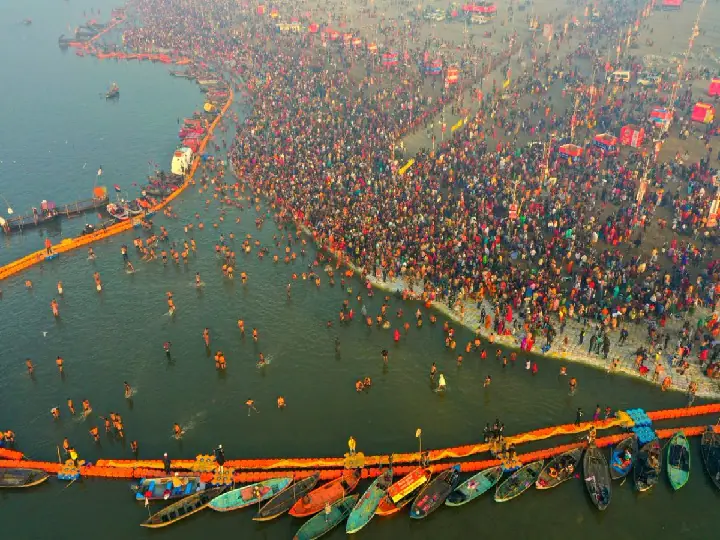
▼October to March is ideal across all six destinations. Key festivals to align with: Ram Navami (Ayodhya and Chitrakoot simultaneously — book 10 weeks ahead), Deepotsav Ayodhya and Dev Deepawali Varanasi (both in November — spectacular), Magh Mela Prayagraj (January-February — the world's largest pilgrimage gathering), Buddha Purnima Bodhgaya (April-May — the holiest day in Buddhism, book 3 months ahead), and Pitru Paksha at Gaya (September-October). October-November is the single best window when all six destinations are simultaneously festive, cool, and at their most vibrant. Naimisharanya is beautiful year-round but especially serene in winter.
Is this package suitable for international Buddhist pilgrims?
▼Absolutely. This package is particularly meaningful for international Buddhist pilgrims from Sri Lanka, Thailand, Myanmar, Japan, South Korea, Taiwan, Bhutan, and Tibet who wish to combine the Buddhist heartland of Sarnath and Bodhgaya with a deeper understanding of the Hindu sacred geography that surrounds and preceded these sites. Naimisharanya — the source of the Puranas — and Chitrakoot and Ayodhya of the Ramayana provide extraordinary cultural and spiritual context for Buddhist pilgrims curious about the wider Indian tradition. The guide speaks English and provides Buddhist-context explanations at every Hindu site. A Buddhist-heritage option with additional visits to Rajgir, Nalanda, and Kushinagar can be arranged as an extension.
Ready to Explore Chitrakoot?
Customized itineraries · Best price guarantee · 24×7 support