
2 Nights 3 Days Bodhgaya Tour Package — Bodhgaya Tour Package Overview
Package Highlights
VisitKashi
Your trusted travel partner · 24×7 support
Tour Highlights — Key Experiences in This Package
Day-by-Day Itinerary — 2 Nights 3 Days Bodhgaya Tour Package
2 Nights / 3 Days · Bodhgaya · Timings adjustable to your arrival
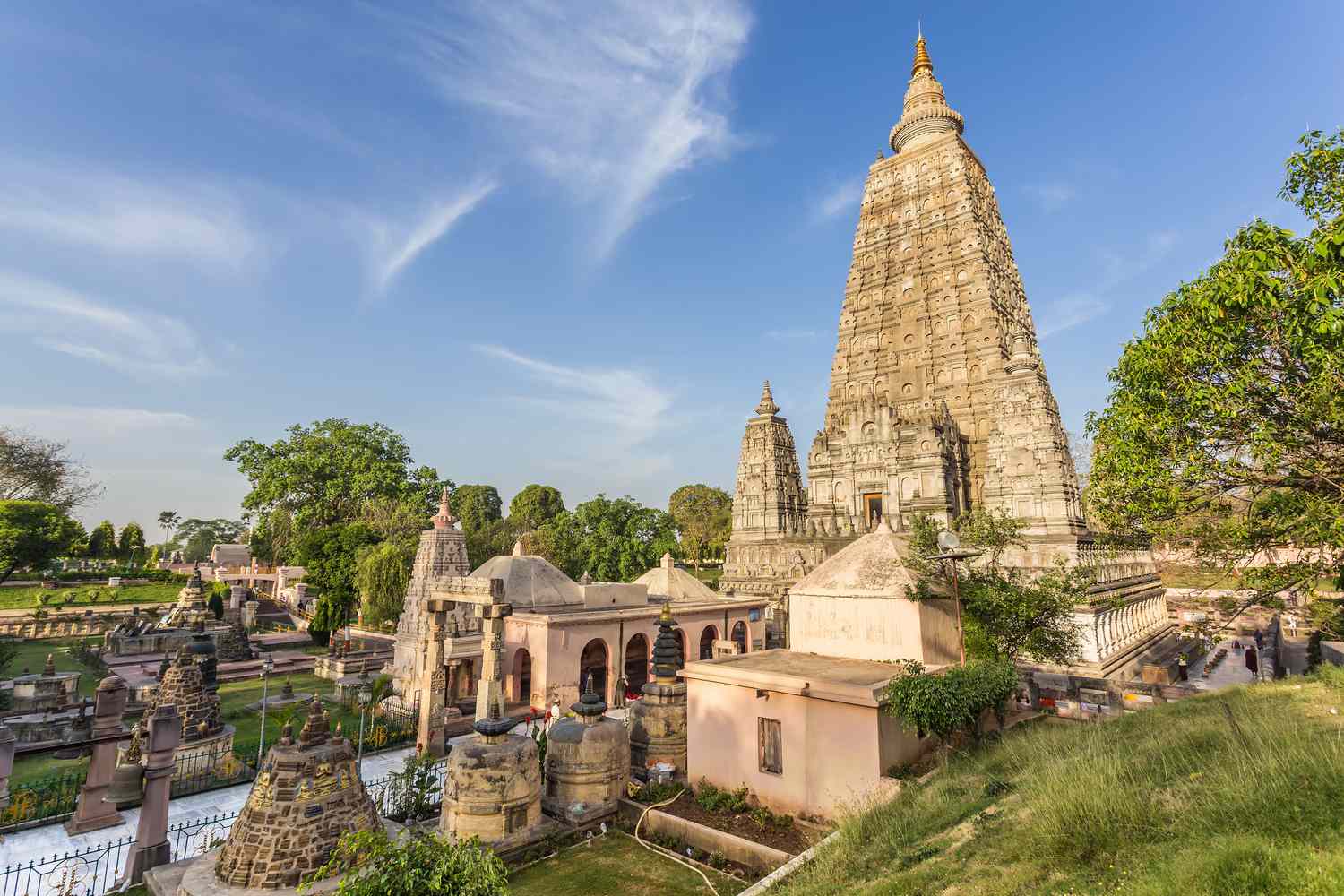
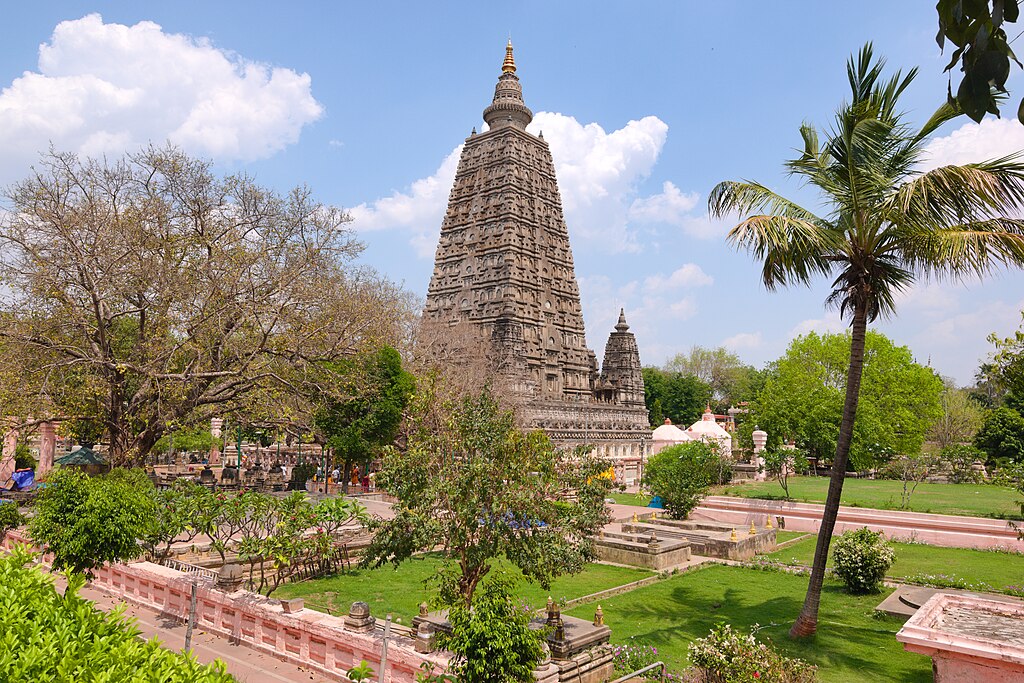
Arrival in Bodhgaya — First Mahabodhi Temple Darshan & Evening Circumambulation
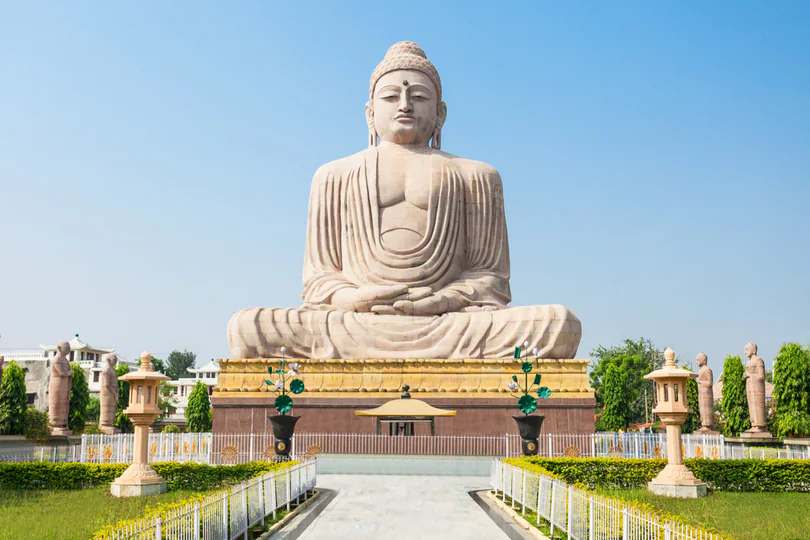
Bodhgaya Full Day — Dawn Bodhi Tree Meditation, Complete Sacred Circuit, Dungeshwari Caves & International Monastery Tour
Dawn Bodhi Tree Farewell Meditation — Vishnupad Temple Gaya, Falgu River Pinda-daan & Departure
What's Included & What's Not Included
Inclusions
- 2 nights accommodation in a comfortable hotel near the Mahabodhi Temple, Bodhgaya
- Daily breakfast and dinner as per itinerary (3 Breakfasts + 2 Dinners)
- Private AC vehicle for all transfers and sightseeing throughout the 3-day circuit
- All routes: Gaya Airport/Station pickup → Bodhgaya → Dungeshwari Caves → Sujata Kuti → International Monasteries → Gaya city → Vishnupad Temple → Gaya departure
- Dedicated English/Hindi-speaking Buddhist pilgrimage guide
- Mahabodhi Temple complex entry (where applicable)
- All toll taxes, driver allowance, parking, and fuel charges
- Arrival pick-up from Gaya Junction Railway Station or Gaya Airport
- Departure drop at Gaya Junction Railway Station or Gaya Airport
- 24/7 on-call support throughout the 3-day journey
Exclusions
- Train, bus, or flight tickets to/from Gaya (arrival and departure)
- Lunches and beverages not listed in the itinerary
- Personal puja samagri, prasad, temple donations, and offerings
- Dungeshwari Caves monastery entry donation (voluntary)
- Pinda-daan pandit fees at Gaya Falgu River (optional, arranged on request)
- Sarnath or other site entry fees if visiting as extension
- Any personal expenses — shopping, souvenirs, beverages
- Travel insurance (strongly recommended for all travelers)
- Medical or emergency expenses
- Tips and gratuities for guide and driver
- Any services not explicitly mentioned under inclusions
Good to Know
Dress modestly at the Mahabodhi Temple complex and all monasteries — cover shoulders and knees; remove footwear before entering all sacred sites.
Maintain silence in the meditation areas around the Bodhi Tree and Vajrasana; mobile phones should be on silent mode.
The Mahabodhi Temple complex is open 5:00 AM to 9:00 PM year-round; pre-dawn entry (from 4:30 AM) is available for meditation — we arrange this.
Photography is permitted in most areas of the Mahabodhi complex; individual monasteries may have their own photography rules.
Tour starts and ends at Gaya Junction Railway Station or Gaya Airport — both transfers are included.
Buddha Purnima (April-May full moon): book at least 3 months in advance; Mahabodhi area is exceptionally crowded and hotels fill up completely.
Pitru Paksha (September-October): the Falgu River Ghat at Gaya is very crowded during the ancestral offering fortnight — book 6 weeks ahead.
Pinda-daan at Gaya Falgu River is available as an optional addition — inform us at booking so we can arrange a qualified Gaya pandit.
For Buddhist pilgrims arriving for the first time: our guide provides a comprehensive pre-visit briefing on the history and significance of each site in the context of the Buddha's life story.
Frequently Asked Questions — 2 Nights 3 Days Bodhgaya Tour Package
Why is Bodhgaya called the most sacred place in Buddhism?
▼Bodhgaya is the site where Siddhartha Gautama, the historical Buddha, attained complete Enlightenment (Nirvana/Bodhi) beneath the Ficus religiosa (Bodhi Tree) in 528 BCE. This event — the Enlightenment of the Buddha — is considered the founding moment of Buddhism, one of the world's great wisdom traditions with 500 million followers. All four major events in the Buddha's life (Birth at Lumbini, Enlightenment at Bodhgaya, First Sermon at Sarnath, Parinirvana at Kushinagar) are sacred in Buddhism, but Bodhgaya, as the site of the Enlightenment itself, is considered the most sacred. The Mahabodhi Temple is a UNESCO World Heritage Site (inscribed 2002).
What is the Vajrasana and why is it so significant?
▼The Vajrasana (Sanskrit for Diamond Throne) is the red sandstone platform beneath the Bodhi Tree at the Mahabodhi Temple, marking the exact spot where Siddhartha Gautama sat in meditation and attained Enlightenment in 528 BCE. Emperor Ashoka built the first Vajrasana at this site in the 3rd century BCE. Buddhist tradition holds that all Buddhas of the past and future attain Enlightenment at this very spot — making the Vajrasana the most sacred single point on earth in Buddhism. Sitting at the Vajrasana beneath the Bodhi Tree is considered one of the most meritorious and transformative acts a Buddhist pilgrim can perform.
What are the Dungeshwari Caves and why should I visit them?
▼The Dungeshwari Cave Temples (also called Mahakala Caves), 12 km northeast of Bodhgaya, are the rock caves where Siddhartha Gautama practiced the most severe ascetic austerities for six years before his Enlightenment. He fasted so intensely that he could feel his spine through his stomach. After six years, he concluded that extreme asceticism — like extreme indulgence — was not the path to liberation, and he accepted food from Sujata. He then walked to the Bodhi Tree in Bodhgaya. Visiting Dungeshwari before the Mahabodhi Temple creates the complete narrative arc of the Buddha's spiritual journey. A Tibetan Buddhist monastery and a Hindu temple of the cave goddess now mark the site.
What is Pinda-daan at Gaya and who should perform it?
▼Pinda-daan is the ancient Hindu ritual of offering rice-ball oblations (pinda) to the souls of departed ancestors at sacred water bodies. Gaya is considered the most powerful site in India for this ritual — even more potent than Varanasi — because Lord Vishnu's footprint (Vishnupad) is present here, and Ram himself is said to have performed Pinda-daan for his father Dasharatha at this exact spot. Any Hindu pilgrim who has lost a parent, grandparent, or other close relative can perform Pinda-daan here, believed to liberate 21 generations of ancestors from the cycle of rebirth. Our guide can arrange a qualified Gaya panda (hereditary pandit) for the ritual on request.
Is this package suitable for non-Buddhist travelers?
▼Absolutely. Bodhgaya and Gaya are meaningful for travelers of all faiths and backgrounds. For Hindu pilgrims, Gaya is one of the most important Pinda-daan sites in India and the Vishnupad Temple is a sacred Divya Desam. For history enthusiasts, the Mahabodhi Temple (3rd century BCE onwards) is one of the most historically significant structures in Asia. For spiritual seekers of any tradition, sitting beneath the 2,500-year-old Bodhi Tree in meditation is a profoundly moving experience that transcends religious boundaries. Many international travelers — from Europe, the Americas, and East Asia — visit Bodhgaya as a secular spiritual experience without any specific Buddhist background.
What is the best time to visit Bodhgaya?
▼October to March is ideal, with cool and pleasant weather. December-January mornings beneath the Bodhi Tree — with mist drifting from the Niranjana River and monks beginning their pre-dawn chanting — are particularly serene and magical. Buddha Purnima (April-May, full moon of Vaisakha) is the most sacred day in Buddhism — commemorating the Buddha's birth, Enlightenment, and Parinirvana — and draws enormous international crowds; book 3 months in advance for this period. Pitru Paksha (September-October) is the peak season for Hindu Pinda-daan pilgrims at Gaya — expect large crowds at the Falgu River ghats. Avoid May-June for the intense Bihar heat.
How do I reach Bodhgaya?
▼Bodhgaya is 13 km from Gaya Junction Railway Station (well-connected to Delhi, Kolkata, Mumbai, Varanasi, and Patna) and 10 km from Gaya International Airport (flights from Delhi, Kolkata, and seasonal international flights from Colombo, Bangkok, and other Buddhist circuit cities). Our package includes pick-up from Gaya station or airport. From Varanasi, Bodhgaya is approximately 250 km (4.5-5 hrs by road) — we offer this as a combined Varanasi-Bodhgaya package as well.
Ready to Explore Bodhgaya?
Customized itineraries · Best price guarantee · 24×7 support